


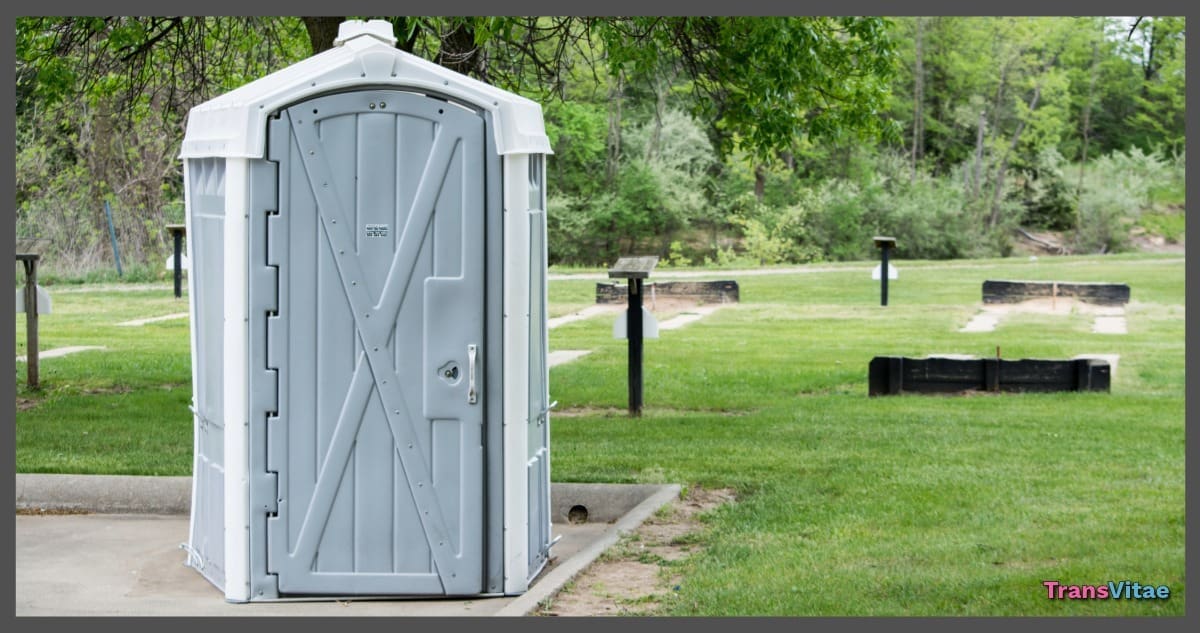
South Carolina Gov. Henry McMaster has signed a controversial new law that requires transgender students in public schools and colleges to use bathrooms, locker rooms, and changing facilities based on the sex listed at birth. Critics say one section of the law goes even further by allowing schools to direct transgender students to outdoor portable toilets if no indoor single-user restroom is available.
The legislation, House Bill 4756, applies to K-12 schools, colleges, universities, overnight field trips, and student housing across the state. Supporters describe the measure as a “privacy” law intended to protect students in sex-segregated spaces. LGBTQ+ advocates argue the law instead isolates transgender students and publicly marks them as different.
One of the most criticized provisions emerged after amendments in the South Carolina Senate. The final version allows schools to provide “single-occupancy” accommodations for transgender students, including temporary outdoor facilities such as porta-potties. Civil rights groups say that effectively forces some students to leave school buildings just to use the restroom.
In a statement following the bill’s signing, the ACLU of South Carolina condemned the measure as discriminatory and dangerous. Executive Director Jace Woodrum, the organization’s first transgender state affiliate leader, said lawmakers “chose exclusion over compassion” and warned the policy could increase bullying and harassment against transgender youth.
Advocacy organizations, including the Campaign for Southern Equality, also raised concerns about student safety, arguing the law could create humiliating situations for transgender and nonbinary students while making basic school activities more stressful and isolating.
South Carolina now joins more than 20 states that have enacted some form of transgender bathroom restrictions in schools or public facilities in recent years. Similar legislation has sparked legal battles nationwide, including North Carolina’s widely controversial HB2 law in 2016, which was later partially repealed after national backlash and economic fallout.
Supporters of the South Carolina law, including several Republican lawmakers, argue the policy is about protecting privacy in shared spaces. Opponents counter that there is no evidence linking transgender-inclusive restroom policies to increased safety risks and say the measure instead targets a small group of already vulnerable students.
The law is expected to face continued criticism from civil rights organizations and could become the subject of future legal challenges as debates over transgender rights in schools continue across the United States.
