


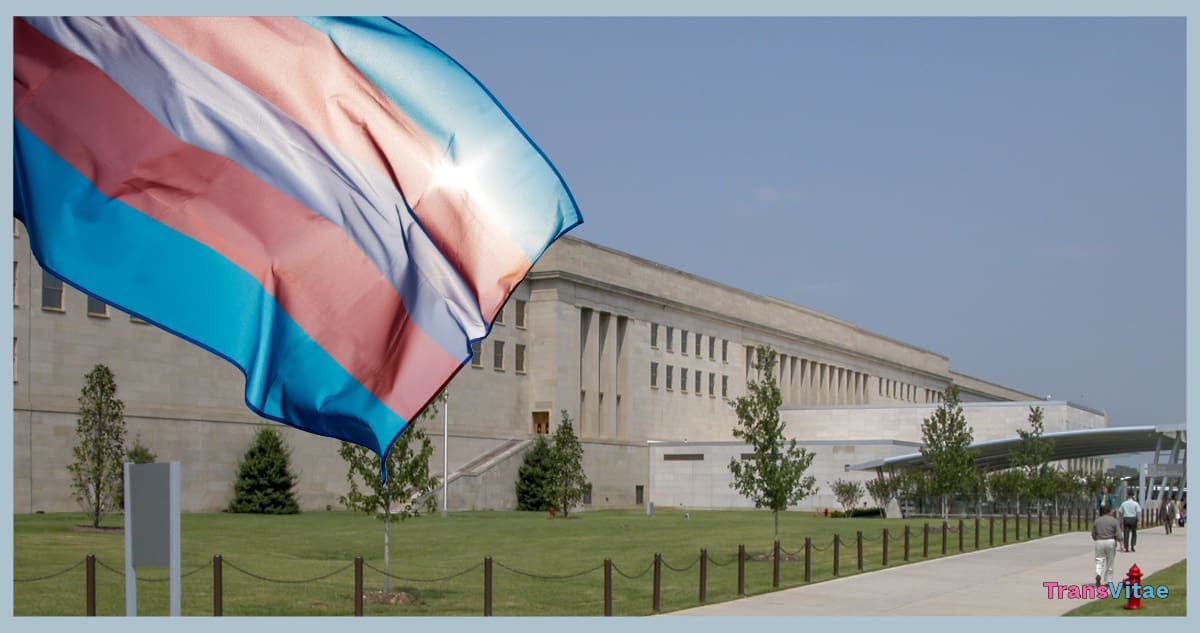
As thousands of transgender service members face uncertain futures following the federal government’s ban on transgender military service, California lawmakers are advancing legislation designed to ensure those forced out of uniform are not left behind once they become civilians.
The proposal, Assembly Bill 1775, would create new pathways to housing assistance, employment support, professional licensing, and discharge upgrades for transgender veterans affected by the policy. While much of the national conversation has focused on legal challenges to the military ban itself, the California measure shifts attention to what happens after service ends, acknowledging that many transgender troops will soon need help rebuilding their lives.
The bill, introduced by Democratic Assemblymember Chris Ward of San Diego, comes as transgender troops continue leaving the military under the Department of Defense’s policy that bars most transgender Americans from serving. Some service members accepted voluntary separation, allowing them to receive honorable discharges and preserve access to many veterans’ benefits. Others fear they could face involuntary separation or receive less-than-honorable discharges that could jeopardize employment opportunities and access to support services.
AB 1775 seeks to soften those consequences. The legislation would expand California’s existing programs by prioritizing affected veterans for housing assistance, supportive services, expedited civilian professional licensing in fields such as nursing and contracting, and legal assistance to pursue military discharge upgrades when necessary. The state’s recently approved budget also includes $2 million for California’s Military Discharge Upgrade Grant Program, which helps veterans challenge unfavorable discharge classifications.
Supporters argue the legislation recognizes that transgender troops answered the nation’s call to serve regardless of the political decisions that later ended their military careers.
“They have served honorably, and this was a separation that was involuntary,” Ward said, arguing that transgender veterans deserve the same benefits they would have received had they not been targeted by the policy.
Veterans’ organizations, including SPARTA Pride, helped shape the legislation. Advocates worry that some transgender troops who remained in service could face accusations such as falsifying military records if their gender identity becomes the basis for separation, potentially resulting in less-than-honorable discharges similar to those issued during the military’s former “Don’t Ask, Don’t Tell” era. Although no such cases have been publicly confirmed, supporters say the state should be prepared before they occur.
The legislation arrives as legal challenges to the Pentagon’s policy continue moving through the courts. While some transgender plaintiffs have been allowed to remain in service during ongoing litigation, many others have already left the military or are preparing to do so.
For transgender veterans, AB 1775 represents more than a policy response. It signals that at least one state is preparing to support those whose military careers ended not because of their performance, but because of their gender identity. Whether the bill ultimately becomes law, it reflects a growing recognition that the effects of the military ban will continue long after service members remove the uniform.
