


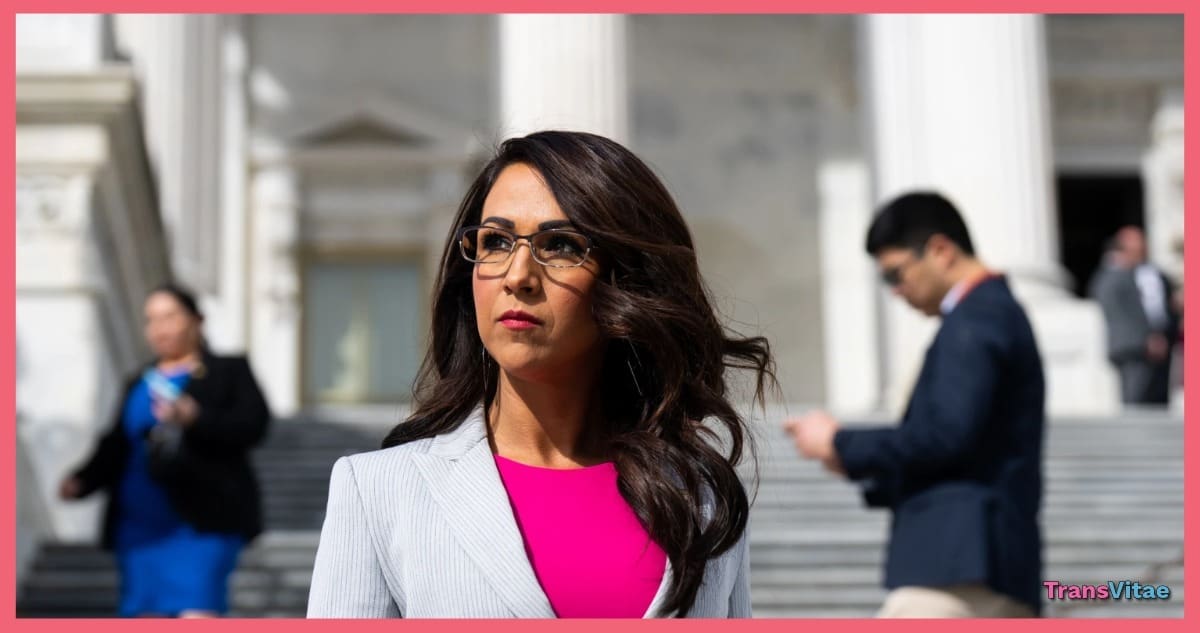
The U.S. House of Representatives has rejected an effort by Rep. Lauren Boebert (R-Colo.) to permanently write President Donald Trump’s transgender military ban into federal law, marking a rare defeat for one of the most sweeping anti-trans proposals considered during debate over the National Defense Authorization Act (NDAA).
Boebert’s amendment sought to codify Trump’s executive order prohibiting most transgender Americans from serving in the U.S. military. While the administration’s policy remains in effect because of ongoing litigation, placing the ban into statute would have made it far more difficult for a future president to reverse with another executive order.
The amendment failed by a vote of 217-212 after four Republicans broke ranks and joined every House Democrat in opposing the measure. The outcome represented one of the few setbacks for anti-trans legislation during consideration of the annual defense bill.
Although LGBTQ advocates welcomed the defeat, the broader legislative picture remains mixed.
The House approved two separate amendments offered by Rep. Nancy Mace (R-S.C.). One would prohibit the Department of Defense from providing gender-affirming healthcare for transgender service members or military dependents through TRICARE. Another would prevent the military from reimbursing travel expenses for dependents seeking gender-affirming care unavailable where they are stationed. Those provisions now move forward as part of the House version of the NDAA and will be subject to negotiations with the Senate before any final defense bill reaches the president’s desk.
For transgender troops, the failed Boebert amendment does not restore the ability to openly serve. The Trump administration’s executive order remains in place after the U.S. Supreme Court allowed enforcement to continue while legal challenges work their way through the courts. The House vote instead preserves the possibility that a future administration could reverse the policy without requiring Congress to repeal federal law.
LGBTQ military advocacy organizations described the vote as an important, if limited, victory. They argued that Congress should avoid permanently embedding policies that exclude qualified Americans from military service based on gender identity. At the same time, advocates warned that the passage of other anti-trans amendments demonstrates that transgender service members and their families remain a frequent target during debates over defense spending and military policy.
As the NDAA heads to conference negotiations between the House and Senate, the fate of the remaining anti-trans provisions is uncertain. While Boebert’s proposal failed, the debate underscores that transgender military service continues to be one of the most contested LGBTQ issues in Congress.
