


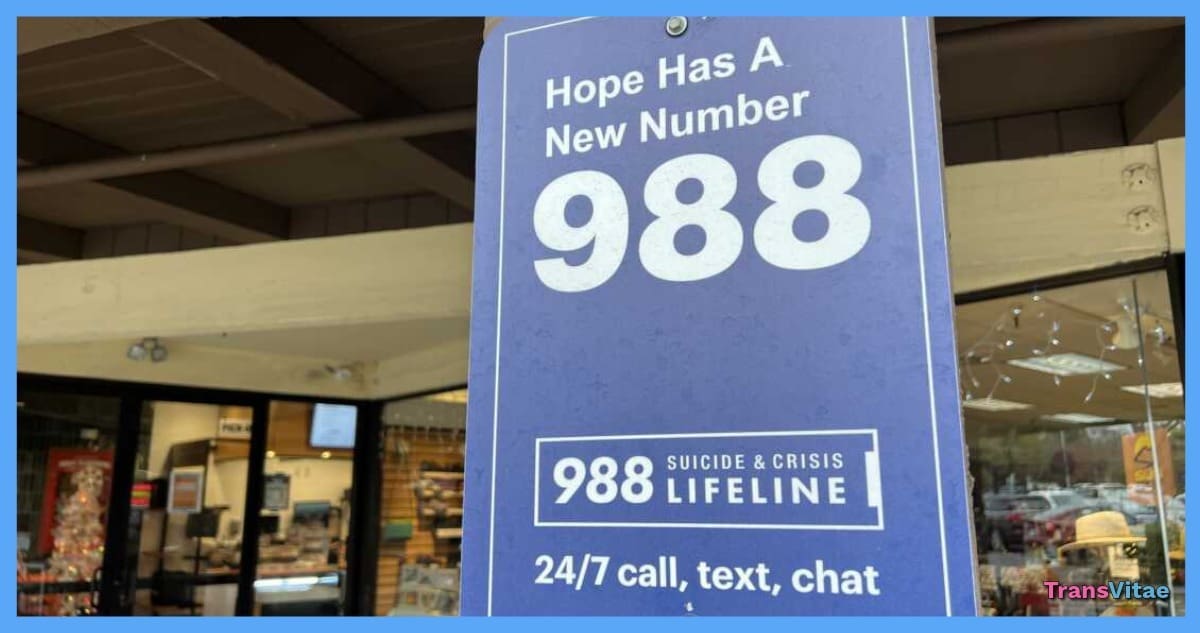
The Trump administration says it is working to restore the specialized LGBTQ+ youth services option within the 988 Suicide & Crisis Lifeline, nearly a year after eliminating the program and sparking widespread criticism from mental health advocates, LGBTQ+ organizations, and lawmakers. The announcement marks a significant reversal, though questions remain about how the service will operate, particularly for transgender youth.
Known as the “Press 3” option, the specialized service launched nationally in 2022 and allowed LGBTQ+ young people in crisis to connect directly with counselors trained to address issues commonly faced by LGBTQ+ communities, including family rejection, discrimination, bullying, and identity-related mental health concerns. Before it was shut down in July 2025, the service helped more than 1.5 million LGBTQ+ youth, according to The Trevor Project, one of the primary organizations involved in its implementation.
The service became a casualty of the administration’s broader efforts to eliminate programs it viewed as promoting diversity, equity, and inclusion initiatives. When announcing the closure last year, the Substance Abuse and Mental Health Services Administration (SAMHSA) argued that LGBTQ+ callers would continue receiving support through the broader 988 system and that specialized services were no longer necessary. Critics countered that LGBTQ+ youth face unique challenges and benefit from counselors with specialized training and cultural competency.
Now, following language included in the Fiscal Year 2026 federal funding bill directing the government to restore the program, federal officials say they are working to bring the service back online by the end of 2026. SAMHSA confirmed it is coordinating with 988 network administrator Vibrant Emotional Health to reactivate Press 3 operations.
However, the announcement comes with a major caveat. Federal officials have indicated that any restored service must comply with President Donald Trump’s Executive Order 14168, which directs federal agencies to recognize only two sexes and rejects federal recognition of transgender identities. That has raised concerns among LGBTQ+ advocates that transgender youth could once again find themselves excluded from services specifically designed to support them.
The Trevor Project welcomed news that the service may return but expressed skepticism about how it will be implemented. The organization argues that a crisis service intended for LGBTQ+ youth cannot effectively serve its mission if transgender young people are excluded.
Members of Congress who pushed for the restoration have likewise emphasized that the law requires specialized LGBTQ+ youth services, including support for transgender young people. Representative Raja Krishnamoorthi argued that executive orders cannot override congressional mandates and said lawmakers were clear in directing the administration to restore the full program.
For now, advocates say the announcement is a positive step, but the true measure of success will be whether the restored service provides the same inclusive, affirming support that LGBTQ+ youth relied upon before it was shut down.
