


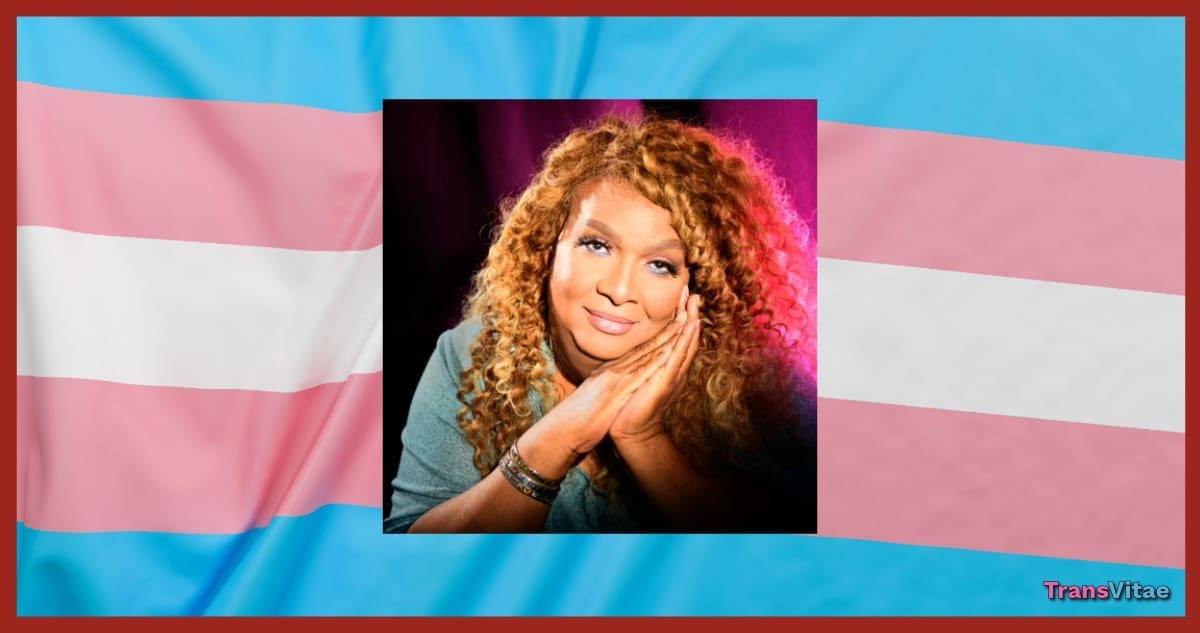
The death of longtime Washington, D.C. transgender rights advocate SaVanna Wanzer has prompted an outpouring of grief and remembrance from LGBTQ organizations and community leaders across the region.
Wanzer died on April 24 at the age of 63 from natural causes, according to a family member.
Widely regarded as a pioneering figure in D.C.’s Black transgender community, Wanzer’s legacy spans decades of advocacy, education, and grassroots organizing. She is credited as a lead founder of D.C. Trans Pride and D.C. Black Trans Pride, two cornerstone events that have centered transgender voices and visibility within the broader LGBTQ movement.
In statements released following her death, advocacy groups described Wanzer as a transformative leader whose work went beyond representation. The Center for Black Equity highlighted her role in creating programming that ensured “trans voices, stories, leadership, and lived experiences were centered, celebrated, and protected.”
The Human Rights Campaign also honored Wanzer’s impact, calling her an icon of D.C.’s Black trans community and a longtime advocate for both transgender people and those living with HIV. Tori Cooper, the organization’s Director of Strategic Outreach and Training, described Wanzer as a “D.C. legend” whose influence extended across numerous organizations and initiatives.
Wanzer’s work included involvement with groups such as Capital Pride and the National Minority AIDS Council, where she contributed to efforts supporting marginalized communities. Her advocacy often intersected with public health, reflecting her own lived experience. According to community organizations, Wanzer had been living with heart-related health issues since her teens and was diagnosed with HIV in 1985.
Despite these challenges, she remained an active and visible presence in the community for decades, earning recognition not only as an organizer but also as a mentor and “elder voice” within the movement. The Capital Pride Alliance described her as a “trailblazer” whose leadership helped shape inclusive Pride programming and community engagement efforts.
Beyond her formal roles, those who knew Wanzer remembered her for her warmth, humor, and commitment to uplifting others. Advocates emphasized that her work consistently centered Black transgender lives in spaces where they have historically been marginalized.
Wanzer’s death comes at a time when transgender communities continue to face heightened political and social challenges nationwide. Local leaders say her legacy offers both a roadmap and a reminder of the importance of sustained advocacy.
As tributes continue, many in the D.C. LGBTQ community say Wanzer’s influence will endure through the events she helped build and the countless individuals she inspired.
