


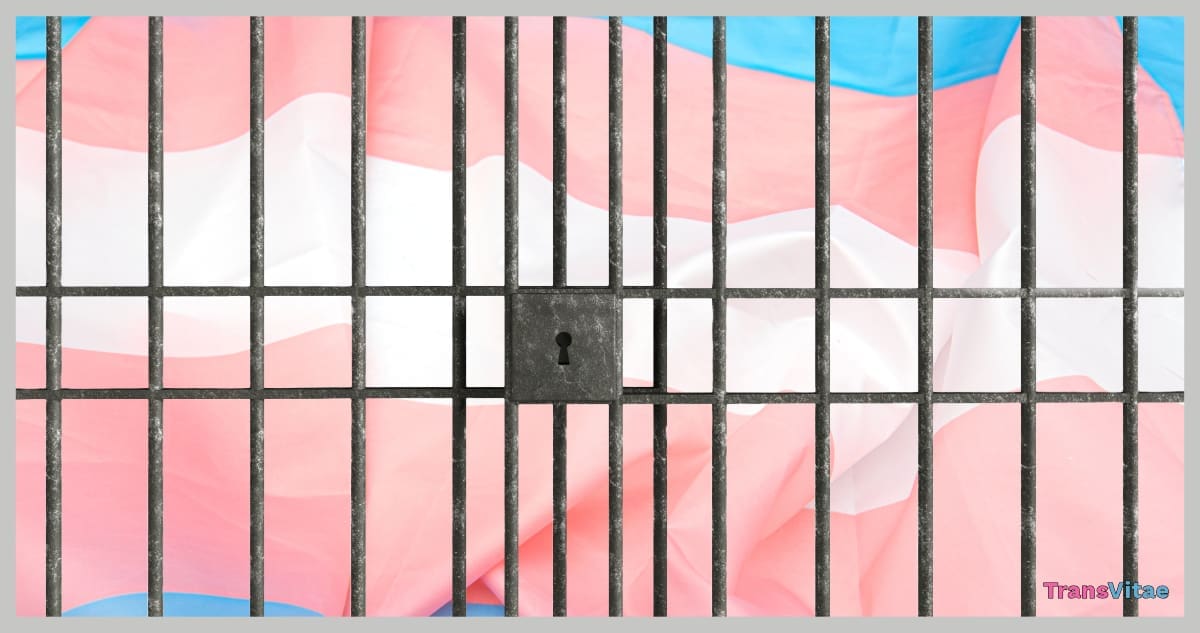
The Scottish government has confirmed it will not appeal a court ruling that declared its policy allowing some transgender women to be housed in women’s prisons unlawful, paving the way for the immediate transfer of affected prisoners to facilities based on their sex assigned at birth.
The decision follows a ruling by Judge Lady Ross in Scotland’s Court of Session, who found that prison policies permitting transgender inmates to be placed according to their gender identity conflicted with legal requirements for sex-based prison accommodation. The challenge was brought by the advocacy group For Women Scotland, which argued that women’s prisons should be reserved exclusively for people born female.
Scottish First Minister John Swinney confirmed that the government would accept the judgment and not pursue further legal action. As a result, the Scottish Prison Service has withdrawn its previous transgender prisoner guidance and begun implementing transfers for the small number of inmates affected by the ruling.
The case is the latest chapter in a years-long debate over how prisons should balance the rights, safety, and dignity of transgender prisoners with sex-based accommodation policies. Scotland’s previous approach relied on individual risk assessments and allowed some transgender women to be housed in women’s prisons when officials determined there was no significant risk to other inmates.
Lady Ross acknowledged in her judgment that transgender prisoners retain important human rights protections but concluded those rights do not create an automatic entitlement to placement in facilities matching a person’s gender identity. The ruling further stated that prison segregation under current law must be based on biological sex.
The judgment comes in the wake of broader legal developments in the United Kingdom. Earlier court decisions, including a widely publicized Supreme Court ruling involving For Women Scotland, reinforced the interpretation that references to “sex” in the Equality Act 2010 refer to biological sex rather than gender identity. Supporters of the prison ruling argue it provides legal clarity, while critics warn it could increase risks and hardships for transgender inmates, particularly trans women placed in men’s prisons.
Advocacy groups on both sides of the issue are expected to continue pressing for policy changes. While the Scottish government has accepted the ruling for now, the broader debate over how prisons can protect both transgender prisoners and other incarcerated populations remains far from settled.
For transgender people in Scotland, the decision represents another significant shift in public policy following a series of legal setbacks affecting gender recognition and sex-based spaces across the UK.
