


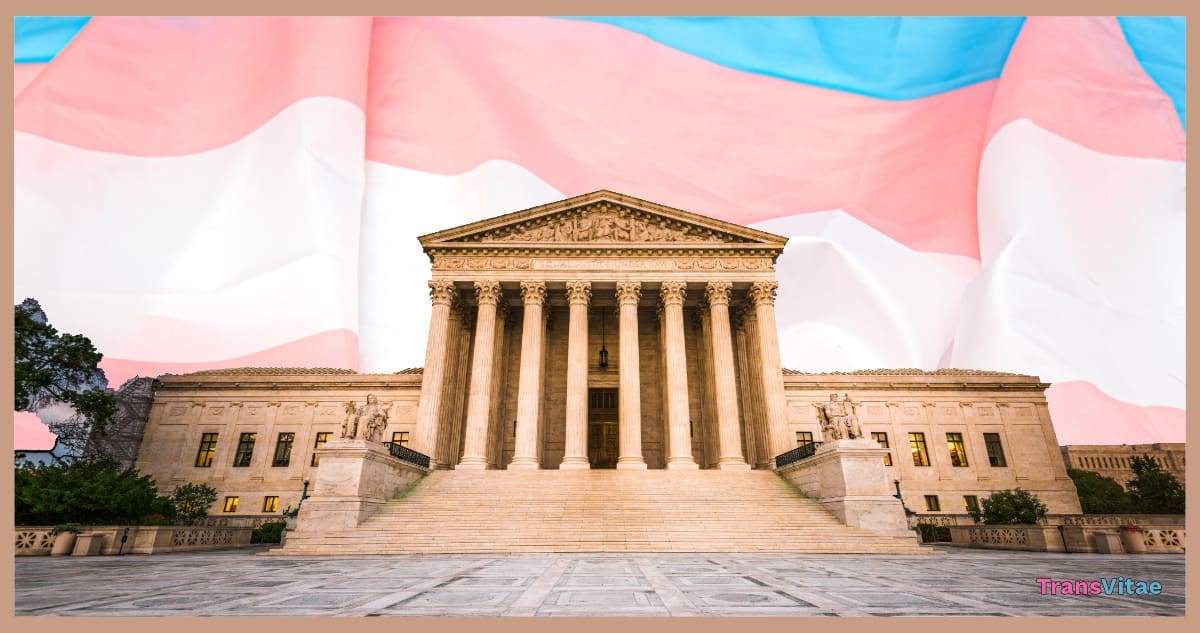
The U.S. Supreme Court is set to hear oral arguments on Jan. 13 in two major cases involving state bans on transgender athletes, placing the issue of gender identity and sports participation back at the center of national legal and political debate.
The cases, Little v. Hecox and West Virginia v. B.P.J., challenge laws in Idaho and West Virginia that bar transgender girls from participating in girls’ and women’s school sports. Supporters of the laws argue they are necessary to preserve fairness in women’s athletics, while opponents say the measures violate the U.S. Constitution and Title IX by discriminating against transgender students.
Lower courts have blocked enforcement of both laws, finding that they likely violate equal protection guarantees. The states appealed those rulings, asking the Supreme Court to allow the bans to take effect and to clarify whether states may restrict athletic participation based on sex assigned at birth.
The court’s decision to take up the cases comes as similar bans have been enacted in roughly half of U.S. states, creating a fragmented legal landscape for transgender student athletes and school districts. A ruling could establish a national standard for how such policies are evaluated under federal law.
While the court prepares to hear arguments, the issue has also been thrust back into the political spotlight. On Jan. 6, President Donald Trump made remarks at a Republican retreat that mocked transgender athletes and criticized their inclusion in women’s sports. Speaking to party leaders, Trump referenced strength sports and combat sports to argue that transgender participation undermines women’s competition.
The comments quickly circulated through news coverage and social media, drawing praise from conservative allies and condemnation from LGBTQ advocacy groups. Critics said the remarks reinforced harmful stereotypes and politicized an issue that is currently under judicial review.
Trump’s comments align with broader actions taken by his administration. Earlier this year, the White House directed federal agencies to interpret Title IX protections based on biological sex, a move that civil rights groups argue contradicts existing court precedent and medical guidance.
Advocacy organizations have warned that political rhetoric surrounding transgender athletes can influence public perception and policy outcomes. Groups including the National Women’s Law Center have filed briefs in the Supreme Court cases, arguing that blanket bans on transgender participation conflict with the purpose of Title IX and disproportionately harm a small and vulnerable group of students.
As oral arguments approach, legal experts expect the justices to weigh questions about equal protection, federal authority, and the role of science and policy in regulating school sports. A decision is expected later this year.
For transgender students, educators, and families, the upcoming hearings represent a pivotal moment. The rulings could determine not only who is allowed to compete, but also how gender identity is treated under federal civil rights law in the years ahead.
