


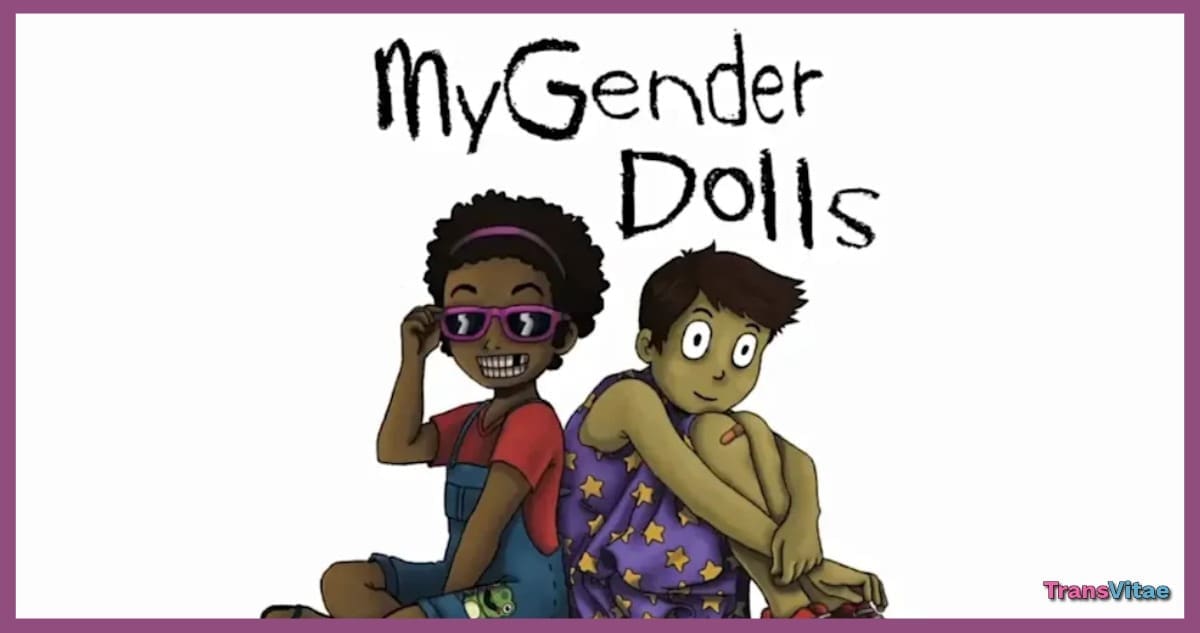
A University of Minnesota research project designed to help therapists work with transgender and gender-diverse children has become the latest target in the nation’s ongoing culture war after conservative media outlets claimed “taxpayer-funded transgender dolls” would soon be distributed in classrooms for children as young as four. However, local reporting and the university say several of the most widely shared claims overstate what the program actually is.
The controversy centers on MyGender Dolls, a therapeutic tool developed through research at the University of Minnesota’s Institute for Sexual and Gender Health. The paper-style dolls feature interchangeable clothing, hairstyles, body types, and anatomical parts to help children communicate about their bodies and gender identity during therapy sessions.
Stories published by many right-wing news agencies framed the project as a taxpayer-funded initiative headed for elementary school classrooms, raising concerns about young children being exposed to discussions of gender identity.
But our fact check found those claims lack important context.
To start, the dolls are not being shipped to every classroom or included in a statewide school curriculum. Instead, they are intended as optional therapeutic resources for trained professionals such as counselors, psychologists, social workers, pediatric providers, and, in some cases, educators who work directly with transgender and gender-diverse children. The project is aimed at clinical and educational professionals rather than general classroom instruction.
Funding has also become a point of dispute.
While the University of Minnesota has received state funding for research broadly, university officials say public funds were not used to commercialize MyGender Dolls. The dolls originated as a university research project before being spun into a commercial venture. Critics argue that research conducted at a publicly funded university still represents taxpayer support, while the university distinguishes between research funding and the commercialization of the finished product.
The research behind the dolls has been underway for several years and involved feedback from transgender and gender-diverse children, parents, therapists, and medical professionals. Developers describe the dolls as a communication tool that allows children to express feelings about their bodies without relying solely on conversation, particularly in therapeutic settings.
As with many transgender-related issues, the story has quickly spread beyond Minnesota and into national political discourse. Viral headlines portraying the dolls as being handed out to preschool classrooms generated millions of views online before local reporting clarified that the program’s intended use is far narrower than many social media posts suggested.
The episode highlights a familiar pattern in today’s transgender debates: nuanced research projects often become simplified into attention-grabbing headlines that fuel political outrage. Whether one supports or opposes gender-affirming care for youth, the facts surrounding the University of Minnesota project are more limited than many of the viral claims suggest, making the distinction between therapeutic tools and classroom curriculum an important one in an already polarized national conversation.
