


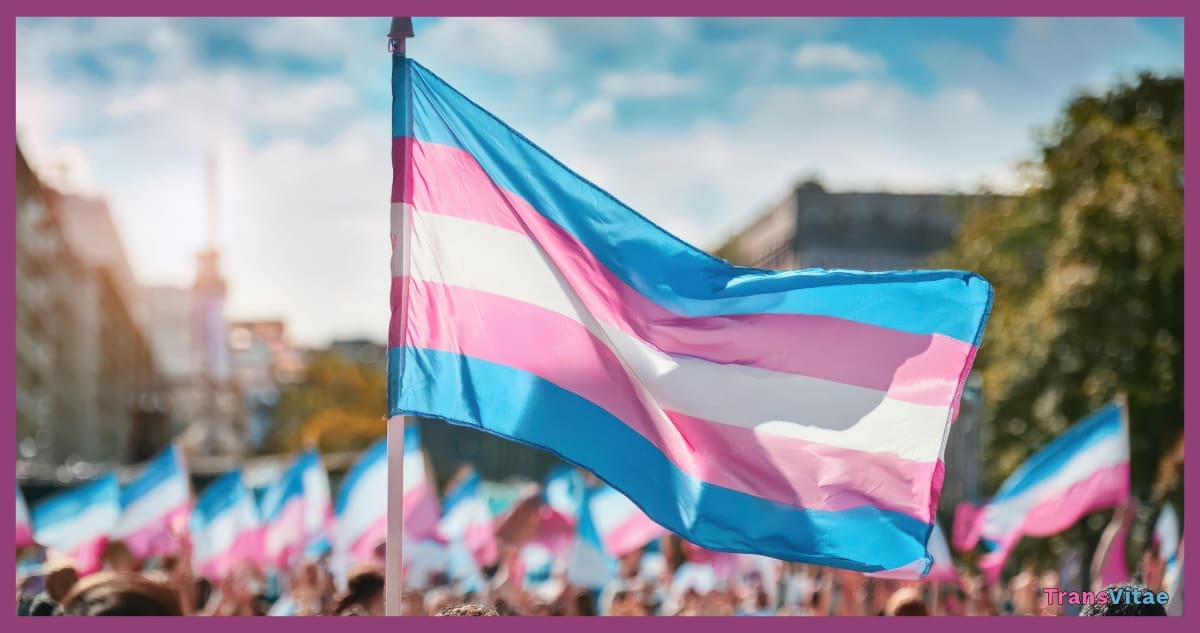
There is an expectation that comes with being transgender in America, and it has nothing to do with hormones, surgeries, or changing your name. Somewhere along the way, simply existing as a transgender person became a political statement. Whether we asked for that responsibility or not, society has decided that our lives are up for public debate, and apparently, we’re all supposed to show up prepared to defend them.
We’re expected to understand legislation, follow Supreme Court cases, explain medical research, correct misinformation, and patiently educate people who sometimes have absolutely no interest in learning. We’re supposed to challenge every offensive comment, respond to every ridiculous social media post, and speak out whenever another politician decides transgender people are the greatest threat facing Western civilization.
And if we don’t? Well, sometimes the criticism comes from our own community.
But here’s something that shouldn’t be controversial: Being transgender doesn’t automatically make someone an activist. It makes them transgender. Everything else is a personal choice.
When Your Identity Becomes Everyone Else’s Political Debate
For most people, their gender isn’t something they have to defend over Thanksgiving dinner. Nobody expects the average cisgender woman to explain the biological basis of womanhood before she’s allowed to enjoy her mashed potatoes. Cisgender men aren’t routinely asked to justify their existence using peer-reviewed research.
Transgender people, however, are frequently treated as walking invitations to debate.
A casual conversation can suddenly turn into an interrogation about bathrooms, sports, medical procedures, or whatever controversy happened to dominate conservative media that morning. Someone discovers you’re transgender, and suddenly you’re expected to have an informed opinion on every issue involving the entire community.
Never mind that you might be a construction worker, accountant, chef, flight attendant, or exhausted parent who just wants to get through the day.
The political climate makes this especially difficult. With transgender rights increasingly becoming campaign issues, our identities are routinely discussed by people who have never met us. Political advertisements and legislative hearings reduce complicated human experiences to slogans designed to generate fear or outrage.
That doesn’t mean transgender people can afford to ignore politics entirely. Laws and policies can directly affect our healthcare, employment, identification documents, and personal safety. Staying informed matters.
But understanding that politics affects your life is different from accepting a full-time, unpaid position as the community’s public relations department.
The Exhaustion of Constantly Having to Explain Yourself
There is a particular kind of fatigue that comes from repeatedly explaining something as personal as your identity to people who believe they’re entitled to an explanation.
Sometimes the questions are sincere. A coworker might genuinely want to understand pronouns. A family member may struggle with terminology. A friend could be curious about how hormone therapy works.
Those conversations can be productive, especially when they’re approached with mutual respect.
But not every question deserves an answer, and not every conversation is an opportunity for education.
We’ve all seen the social media exchanges where someone demands evidence, receives it, dismisses it, and immediately moves the goalposts. The discussion continues until the transgender person becomes frustrated, at which point their reaction is presented as proof that transgender people are unreasonable.
Congratulations. You’ve just spent two hours arguing with someone whose profile picture is an eagle wearing sunglasses, and absolutely nobody learned anything.
This constant pressure can take a toll. Research from the American Psychological Association and other mental health organizations recognizes the role discrimination, stigma, and minority stress can play in LGBTQ people’s well-being.
For transgender individuals already navigating employment, relationships, healthcare, and personal safety, the additional expectation to educate the public can become overwhelming.
Choosing not to engage isn’t necessarily surrender. Sometimes it’s recognizing that your time and emotional energy have value.
Activism Comes in Different Forms, Including Quiet Ones
When people think about transgender activism, they often picture marches, speeches, protests, or someone passionately confronting a politician at a town hall meeting.
Those activities matter. Public advocacy has played an important role in advancing LGBTQ rights, and the people willing to put themselves on the front lines deserve recognition.
But activism isn’t limited to holding a sign or maintaining a social media account dedicated to political arguments.
Some transgender people advocate by helping others navigate healthcare. Others volunteer with community organizations, support friends coming out, or donate to legal defense funds. Some share their personal experiences when they feel comfortable doing so.
Organizations such as Advocates for Trans Equality and the ACLU provide opportunities for people who want to participate in advocacy without necessarily becoming public figures.
And then there are people who simply live openly.
A transgender teacher showing up for work, a transgender parent attending their child’s school event, or a transgender woman enjoying dinner with friends can challenge stereotypes simply by being visible in everyday life.
That visibility can matter, but we should be careful about turning it into another obligation. Not every transgender person wants their ordinary existence described as an act of resistance.
Sometimes dinner is just dinner.
The Problem With Policing Our Own Community
One uncomfortable reality is that pressure to become politically engaged doesn’t always come from outside the transgender community.
Social media can create an environment where people are judged by how frequently they speak out, which causes they promote, or whether they respond publicly to the latest controversy.
Someone who doesn’t post about a particular law may be accused of not caring. A transgender person who avoids political discussions might be labeled privileged, uninformed, or insufficiently supportive of the community.
But those judgments rarely account for the circumstances of individual lives.
Some transgender people aren’t out to their families or employers. Others live in communities where public visibility carries genuine risks. Some are dealing with financial instability, medical challenges, discrimination, or complicated family relationships.
And some simply don’t enjoy politics.
None of those circumstances makes someone less transgender or less deserving of support.
We should also recognize that the ability to participate openly in activism isn’t distributed equally. A person with a secure job, supportive family, and financial resources may have considerably more freedom to speak publicly than someone whose housing or employment could be jeopardized.
Expecting everyone to take identical risks ignores those differences.
A community built around acceptance shouldn’t require its members to pass a political participation test.
You Can Care About Transgender Rights Without Living on Social Media
Social media has made political engagement feel like an around-the-clock obligation.
Every morning brings another viral clip, inflammatory statement, proposed restriction, or confrontation involving transgender people. The algorithms reward outrage, and the temptation to respond can become difficult to resist.
But being constantly connected to hostility doesn’t necessarily make someone more informed or more effective.
There is a difference between understanding what’s happening and consuming every hostile opinion posted by someone with a Wi-Fi connection.
You can follow reliable news sources, vote in elections, contact elected officials when an issue matters to you, and support organizations doing meaningful work without spending your evenings arguing with strangers.
You can also take breaks.
Turn off notifications. Mute accounts that exist primarily to provoke reactions. Spend time with people who see you as a whole person rather than a political controversy.
The world won’t collapse because you didn’t respond to someone’s latest declaration that transgender people don’t exist.
And frankly, if someone has spent the past six months obsessively posting about a group of people they insist doesn’t exist, they may have bigger questions to answer.
Living Your Life Is Not Abandoning the Community
There is an understandable fear behind some calls for greater activism. Transgender rights face serious political and legal challenges, and collective action can make a difference.
People who advocate publicly are often fighting for protections that benefit individuals who never attend a rally or write a letter to a legislator.
That work deserves appreciation.
But appreciation shouldn’t become an obligation imposed on everyone else.
Movements need organizers, attorneys, researchers, journalists, volunteers, and people willing to speak publicly. They also need communities where people can build friendships, find support, and experience ordinary happiness without everything revolving around political conflict.
Transgender people deserve careers, relationships, hobbies, vacations, quiet weekends, and lives that aren’t defined entirely by the discrimination they encounter.
We deserve to be boring occasionally.
We deserve to complain about traffic, worry about bills, fall in love, binge-watch terrible television, and argue about whether pineapple belongs on pizza.
Those experiences aren’t distractions from being transgender. They’re part of being human.
You Don’t Owe Anyone a Debate About Your Existence
The next time someone demands that you explain transgender healthcare, defend an athlete you’ve never met, or answer for something another transgender person said online, remember that you’re allowed to decline.
You don’t represent every transgender person. You aren’t responsible for every controversy. And you certainly aren’t obligated to provide free educational services to strangers who approach you with hostility.
If you want to become an activist, there are meaningful opportunities to make a difference. If you want to speak publicly, your voice matters. If you want to challenge misinformation, organize your community, or fight discriminatory legislation, that work can be valuable.
But if you’d rather focus on your family, your career, your relationships, and building a life that makes you happy, that’s a legitimate choice too.
Transgender people have spent generations fighting for the freedom to live authentically. It would be a strange outcome if that freedom came with a new set of expectations about how we’re supposed to behave.
We aren’t obligated to turn our lives into political campaigns just because other people have decided our existence is political.
Sometimes the most important thing a transgender person can do is simply live a life they actually enjoy.
And no, you don’t need to write a manifesto about it first.
Add a stronger personal perspectiveTighten repeated arguments about choice
