


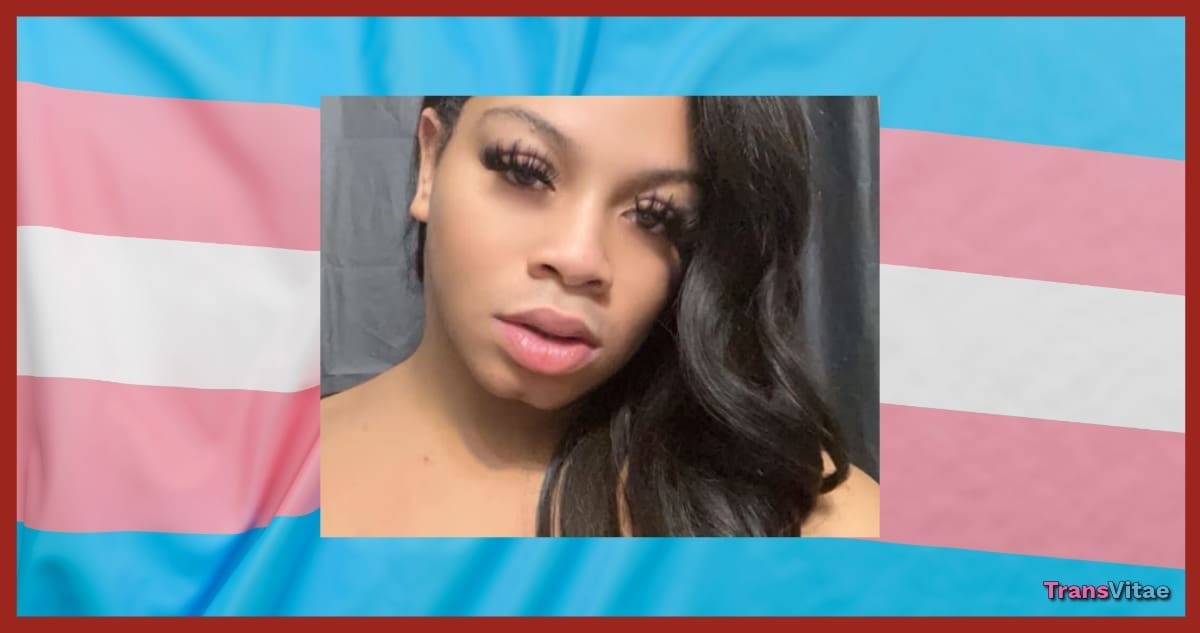
A 27-year-old transgender woman was fatally shot in Baltimore early Friday, leaving family, friends and members of the city’s LGBTQ+ community mourning a woman remembered for her kindness, joy and place within Baltimore’s ballroom community.
Sophie Lee was found in the 2400 block of North Calvert Street at approximately 1:15 a.m. on September 11, according to Baltimore police. Police identified her as Sophie Felipa, but her mother, Denise Johnson, said that her daughter went by Sophie Lee and was known by that name among family and friends.
Police have not said whether Lee’s transgender identity played a role in the shooting. The investigation remains ongoing.
A Community Comes Together
On Sunday, nearly 100 people gathered near the location where Lee was killed for a candlelight vigil organized by Baltimore Safe Haven, an LGBTQ+ organization providing housing, health and wellness services, community support and legal navigation.
Johnson had expected to spend the day eating crabs at a park with her daughter. Instead, she found herself surrounded by people who had come to remember her.
Johnson described Lee as lovable, kind and joyful, someone who enjoyed laughing, dancing and partying. Lee was also part of Baltimore’s ballroom scene, a community that for generations has provided LGBTQ+ people, particularly Black and Brown queer and transgender people, with spaces for expression, competition and chosen family.
Baltimore Safe Haven founder and CEO Iya Dammons presented Johnson with money raised through a GoFundMe to assist with burial expenses.
Ja’Nia Simmons, who had known Lee for about eight years through Baltimore’s ballroom community, remembered watching Lee grow into herself and her femininity.
“She was loved, and her memory will live on,” Simmons said.
Remembering Sophie Beyond the Headlines
The circumstances surrounding Lee’s killing remain under investigation, and authorities have not established that she was targeted because she was transgender. That distinction matters. So does recognizing the fear that another violent death can create within a community already accustomed to seeing transgender women, particularly young trans women of color, become names in headlines far too soon.
Alexis Newby, chief operating officer of Baltimore Safe Haven, described news of another transgender woman’s death as both traumatic and frightening.
But Lee’s story should not begin and end with the manner of her death.
She was 27. She had a mother expecting to spend Sunday with her. She had friends who watched her grow. She danced, laughed and found community. Nearly 100 people showed up on a Baltimore street because Sophie Lee mattered to them.
Baltimore Safe Haven captured that loss simply: Sophie deserved more birthdays, more laughter and more opportunities to dream and grow older.
She deserved a future.
