


The Trump administration is escalating its campaign against gender-affirming healthcare for transgender minors, demanding that some of the nation’s most influential medical organizations explain their continued support for treatments the administration opposes.
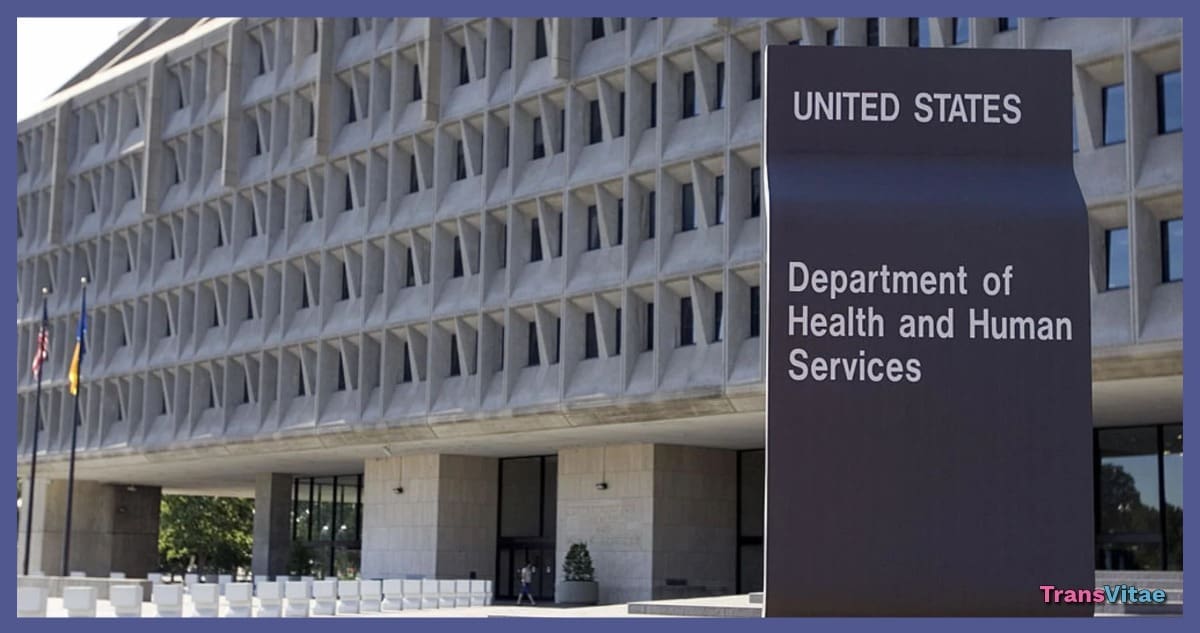
On October 14, the Department of Health and Human Services (HHS) issued what it described as a “final demand” to leading medical associations, giving them 10 business days to clarify their positions on gender-affirming medical care for young people.
The letters target organizations including the American Medical Association, American Psychiatric Association, American Psychological Association, Endocrine Society, and World Professional Association for Transgender Health (WPATH). The American Academy of Pediatrics was also among those contacted.
HHS wants each organization to provide its current position, identify any changes to its clinical guidance, and establish a timeline for future revisions.
Kennedy Demands Answers From Medical Experts
HHS Secretary Robert F. Kennedy Jr. defended the demands as an effort to increase transparency and accountability.
“When medical organizations set standards that shape the care of children, they have a responsibility to explain the evidence behind those standards,” Kennedy said in the department’s announcement.
The administration repeatedly describes gender-affirming treatments as “sex-rejecting procedures,” terminology that departs from established clinical language and reflects its opposition to transgender healthcare.
According to HHS, similar requests were sent in December 2025, but the department says the organizations failed to provide substantive responses.
The latest letters suggest that the administration is no longer satisfied with restricting healthcare providers. It is also challenging the professional organizations responsible for developing medical guidance.
Medical Consensus Faces Political Pressure
Major American medical associations have historically supported access to individualized, evidence-informed gender-affirming care, although questions remain about the strength of evidence for particular treatments and their long-term outcomes.
The American Psychiatric Association previously emphasized that treatment decisions should remain between patients and qualified medical professionals rather than politicians.
The administration, however, points to its 2025 review of pediatric gender dysphoria treatments, which raised concerns about medical risks and the quality of supporting research. Critics have challenged the review’s methodology and the perspectives of its contributors.
Research has also associated access to gender-affirming medical treatment with improved mental health outcomes among transgender adolescents, although observational findings do not resolve every question about long-term benefits and risks.
What Happens After the Deadline?
The letters arrive amid broader federal efforts to restrict gender-affirming healthcare, including funding limitations, regulatory actions, and investigations involving providers.
While HHS has demanded written responses within 10 business days, it has not publicly specified what penalties, if any, organizations could face for refusing to comply.
The letters themselves do not establish a new prohibition on treatment.
For transgender families and healthcare professionals, however, the implications extend beyond a bureaucratic deadline.
Medical guidelines are intended to reflect clinical evidence, patient needs, and professional judgment. Whether federal pressure ultimately changes those guidelines could have significant consequences for transgender young people seeking care.
For now, the organizations responsible for helping establish medical standards face a choice: defend their existing recommendations, revise them, or challenge the administration’s demands.
