


At least six major U.S. hospital systems have now reached agreements with the Trump administration that restrict gender-affirming medical care for transgender minors, turning what began as federal investigations into something much larger: a rapidly shrinking network of places where trans adolescents can receive treatment.
In New York City, that reality spilled onto the sidewalk this week.
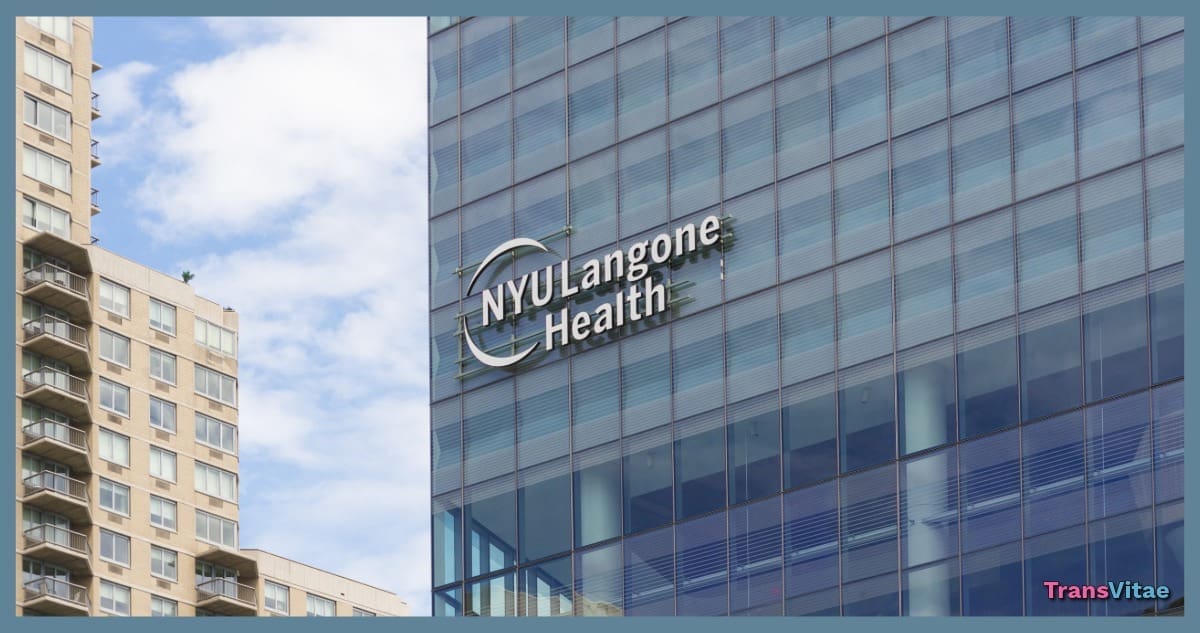
Dozens of protesters gathered outside NYU Langone Health after the hospital agreed to stop providing gender-affirming medical care to patients under 18 as part of a settlement with the U.S. Department of Justice. The agreement includes an $8.5 million payment and ends federal investigations into the hospital’s treatment of transgender youth.
NYU Langone denies wrongdoing or liability.
The hospital says the settlement also protects patients and providers from federal demands for confidential medical information. The Justice Department had sought records involving minors who received gender-affirming treatment, part of a broader federal investigation launched under President Donald Trump’s administration.
For families who depended on NYU Langone, however, protecting medical records comes with a painful tradeoff: the hospital will no longer provide the care itself.
“It’s horrible, and it’s a crime that NYU is now denying healthcare to trans kids,” Christen Clifford, the parent of two transgender children who received care through NYU, told NY1 during the protest. Her minor child had reportedly been receiving treatment there until last week and has since found another provider.
NYU Langone isn’t alone.
Mount Sinai Health System has reached a similar agreement with the federal government, while the University of Pittsburgh Medical Center agreed to pay $950,000 and stop providing covered gender-affirming treatments to minors. Nationwide, at least six major hospital systems have entered agreements restricting such care, according to the Associated Press.
The settlements arrive after sustained pressure from the Trump administration, including Justice Department investigations, subpoenas and threats involving federal health care funding. More than 20 subpoenas have reportedly been issued to hospitals and physicians involved in treating transgender youth.
The administration describes its campaign as protecting children and investigating potential violations of federal health care and billing laws. Importantly, the Justice Department acknowledges that the allegations resolved through the NYU and UPMC agreements remain allegations and that neither hospital admitted liability.
For transgender families, though, the practical result is considerably less abstract.
Hospitals do not need to lose in court for care to disappear. Federal investigations, funding threats, and demands for patient records can create enough institutional pressure that health systems decide walking away from transgender minors is safer than fighting.
That is what protesters outside NYU Langone are warning about.
The question is no longer simply whether gender-affirming care remains legal in states such as New York. It is whether families can still find a hospital willing to provide it when the federal government makes doing so increasingly costly.
