


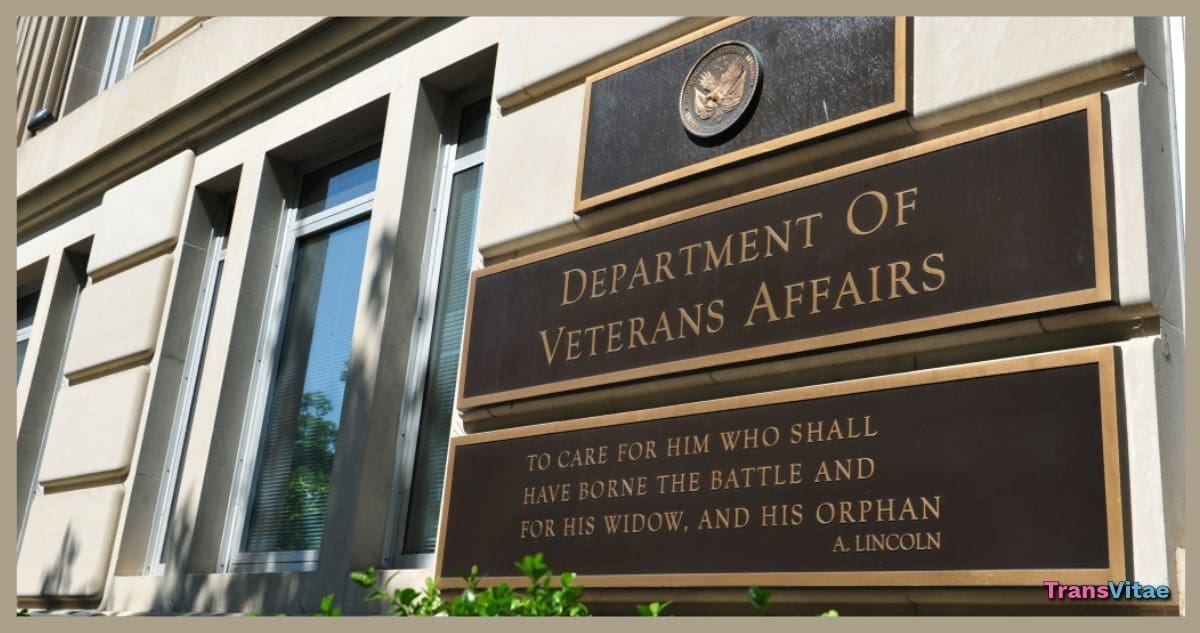
The Trump administration has directed the Department of Veterans Affairs (VA) to eliminate several programs specifically designed to support LGBTQ+ veterans, raising concerns among advocates and healthcare providers who say the changes could make it harder for veterans to access care and services.
According to an internal VA memorandum obtained by The Advocate, VA facilities nationwide have been instructed to remove gender identity-based initiatives and eliminate the LGBTQ+ designation from a network of care coordinators who helped veterans navigate the healthcare system. The move is part of a broader effort by the administration to align federal agencies with President Donald Trump’s executive orders concerning gender identity and diversity-related programs.
For years, LGBTQ+ Veteran Care Coordinators served as points of contact for veterans seeking assistance with healthcare, mental health services, benefits navigation, and referrals to specialized resources. While the positions themselves may continue in some form, the removal of the LGBTQ+ designation raises questions about whether veterans will still have access to staff specifically trained to address the unique challenges facing LGBTQ+ service members and veterans.
The latest directive follows a series of policy changes affecting LGBTQ+ veterans since Trump returned to office. In March 2025, the VA announced it would phase out new gender dysphoria-related treatments for transgender veterans, including access to hormone therapy for new patients who had not already begun treatment through the VA or military healthcare systems. The department stated it would no longer provide additional medical or surgical treatments related to gender dysphoria.
Critics argue that the new changes go beyond healthcare policy and represent an effort to erase LGBTQ+ veterans from federal recognition. Mental health professionals and advocacy organizations have warned that eliminating visible support systems may discourage veterans from seeking care, particularly in rural areas where dedicated resources are already limited. Similar concerns were raised earlier this year when VA facilities removed LGBTQ+ informational materials and outreach displays from public areas.
The decision also comes at a time when many LGBTQ+ veterans are still working to overcome decades of discrimination tied to policies such as “Don’t Ask, Don’t Tell.” Earlier this year, the Pentagon agreed to streamline the process for LGBTQ+ veterans seeking corrections to discharge records and upgrades to discharge statuses that were negatively affected by historic discriminatory policies.
Supporters of the administration’s actions argue that the VA should focus on providing the same services to all veterans rather than maintaining programs targeted toward specific groups. Opponents counter that specialized programs exist because LGBTQ+ veterans often face unique barriers to care, including higher rates of discrimination, mental health challenges, and difficulties accessing affirming healthcare providers.
As the policy changes take effect nationwide, advocates say the long-term impact on veteran health and well-being remains uncertain. What is clear is that many LGBTQ+ veterans now face a healthcare system that appears increasingly unwilling to acknowledge their specific needs, even after their service to the country.
