


The alleged assault of a transgender woman at Cedar Point over Memorial Day weekend is disturbing on its own. According to police, an 18-year-old man pulled down her skirt and underwear in public, exposing her body to strangers and children nearby. The suspect was arrested, and the legal process will determine his guilt or innocence.
But for many transgender people, the story resonates for reasons that extend beyond the details of a single criminal case.
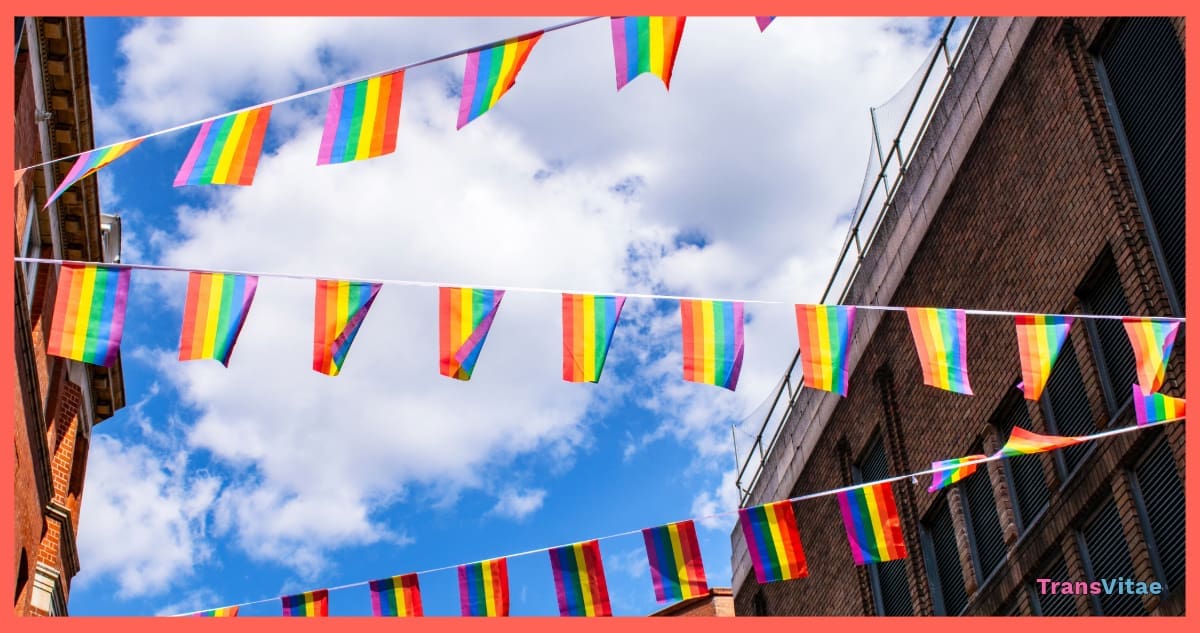
The incident landed just days before the start of Pride Month, a time when rainbow flags appear in storefronts, social media fills with messages of support, and conversations about LGBTQ+ visibility become more common. Yet beneath the celebrations is a reality many transgender people know all too well: existing in public can still feel like an act of courage.
The Weight of Everyday Uncertainty
Most people do not leave their homes wondering whether a stranger will decide they are a problem that needs to be solved. Most people do not enter a restaurant, concert venue, theme park, or shopping mall calculating potential escape routes. Most people do not spend an afternoon with friends wondering if someone nearby is taking photos, whispering comments, or debating their right to exist.
For many transgender individuals, however, these calculations are not unusual. They have become part of everyday life.
That reality often goes unseen because the burden is carried quietly.
When transgender people discuss discrimination, many assume they are talking exclusively about laws, healthcare restrictions, or employment protections. Those issues matter tremendously, but they are only part of the story. The larger challenge is often much more personal. It is the accumulation of small moments that remind someone they are viewed differently.
Sometimes it is a lingering stare that lasts a few seconds too long. Sometimes it is hearing laughter and wondering whether it is directed at you. Sometimes it is a stranger who suddenly feels entitled to ask deeply personal questions. Sometimes it is being recorded without consent.
And sometimes, as the Cedar Point case demonstrates, it escalates into outright harassment or assault.
When Ordinary Outings Stop Feeling Ordinary
The problem is not simply the individual incidents. It is the uncertainty they create.
Once a person experiences enough of these moments, they begin carrying them everywhere. A trip to an amusement park stops being just a trip to an amusement park. A family vacation becomes a situation that requires planning. A night out with friends involves considerations other people never have to make. The simple act of existing in public starts requiring emotional preparation.
That constant awareness can be exhausting.
Many transgender people become experts at reading rooms. They learn to assess the mood of a crowd, identify potential trouble, and decide when it is safer to remain silent. They become skilled at noticing subtle changes in body language and tone. Over time, these behaviors can become so ingrained that they feel normal.
But they are not normal. They are adaptations to a world that too often treats transgender people as public property.
The Myth That Trans People Want Attention
The irony is that much of the public conversation surrounding transgender people assumes visibility is something we seek out. Critics frequently complain that transgender people are demanding attention or forcing conversations about identity onto others.
The reality is usually far less dramatic.
Most transgender people want exactly what everyone else wants.
They want to spend time with people they care about. They want to enjoy hobbies, celebrate birthdays, take vacations, build careers, and create meaningful lives. They want to experience ordinary moments without becoming the center of controversy.
There is nothing particularly political about riding a roller coaster. There is nothing controversial about attending a concert. There is nothing radical about going shopping, eating dinner, or watching a movie.
Yet transgender people are routinely reminded that others view these ordinary activities through a different lens.
Why Pride Still Matters
This is one reason Pride Month remains so important.
Over the years, some critics have asked why Pride is still necessary. They point to increased visibility, legal victories, and growing social acceptance as evidence that the movement has achieved its goals.
Progress is real. It should be acknowledged and celebrated. But incidents like the one at Cedar Point serve as reminders that visibility and safety are not the same thing.
Being seen is not the same as being accepted. Being tolerated is not the same as being respected. And having legal rights does not guarantee dignity in everyday life.
Pride exists because LGBTQ+ people spent generations being told to hide. The earliest Pride marches were not celebrations in the modern sense. They were declarations that LGBTQ+ people had the right to exist openly despite social hostility.
That message remains relevant today.
The challenges facing transgender people may look different than they did decades ago, but the underlying struggle has not disappeared. The debate is still fundamentally about whether transgender people deserve the same freedom to move through society without fear, humiliation, or harassment as everyone else.
The Consequences of Political Rhetoric
Unfortunately, recent years have often moved the conversation in the wrong direction.
Political rhetoric targeting transgender people has become increasingly common. Discussions about bathrooms, sports, healthcare, education, and public accommodations dominate headlines. Regardless of where individuals stand on policy questions, there is a broader cultural consequence when an entire group of people becomes the subject of constant scrutiny.
Eventually, some people stop seeing transgender individuals as neighbors, coworkers, parents, and friends.
They begin seeing them as symbols. As talking points. As targets.
When that happens, acts of harassment become easier to justify in the minds of those who commit them. The humanity of the person on the receiving end gets lost.
Dignity Should Never Be Optional
What makes the Cedar Point story particularly painful is the element of humiliation. Public exposure is not simply a violation of privacy. It is an attempt to strip someone of dignity. It sends a message that their body exists for public judgment and ridicule.
That message is not new.
For decades, transgender people have been subjected to invasive curiosity, unwanted scrutiny, and public debates about their bodies. The details may change, but the underlying theme remains remarkably consistent: some people believe transgender individuals should not be allowed the same privacy and respect afforded to everyone else.
Pride Month offers an opportunity to reject that idea. Not through arguments on social media. Not through corporate marketing campaigns.
But through something much simpler. Recognition. Recognition that transgender people are not concepts or controversies.
They are people. People who laugh with friends on vacation. People who save money for theme park tickets. People who stand in line for roller coasters. People who celebrate birthdays, attend family reunions, and make summer memories.
People who deserve the same assumption of safety that most others take for granted.
The Bottom Line
The ultimate goal of equality has never been special treatment. It has never been about receiving extra rights. It has never been about demanding attention. The goal is much more ordinary than that.
It is the ability to move through the world without fear that a stranger will decide your dignity no longer matters.
As Pride Month begins, perhaps that is worth remembering. Because a truly inclusive society is not measured by how loudly it celebrates transgender people once a year.
It is measured by whether transgender people can enjoy an ordinary day in public without having to wonder whether they will make it home with nothing more dramatic than a few photos, tired feet, and happy memories.
That should not be a lofty aspiration. It should be the baseline. For far too many transgender people, it still isn’t.
