


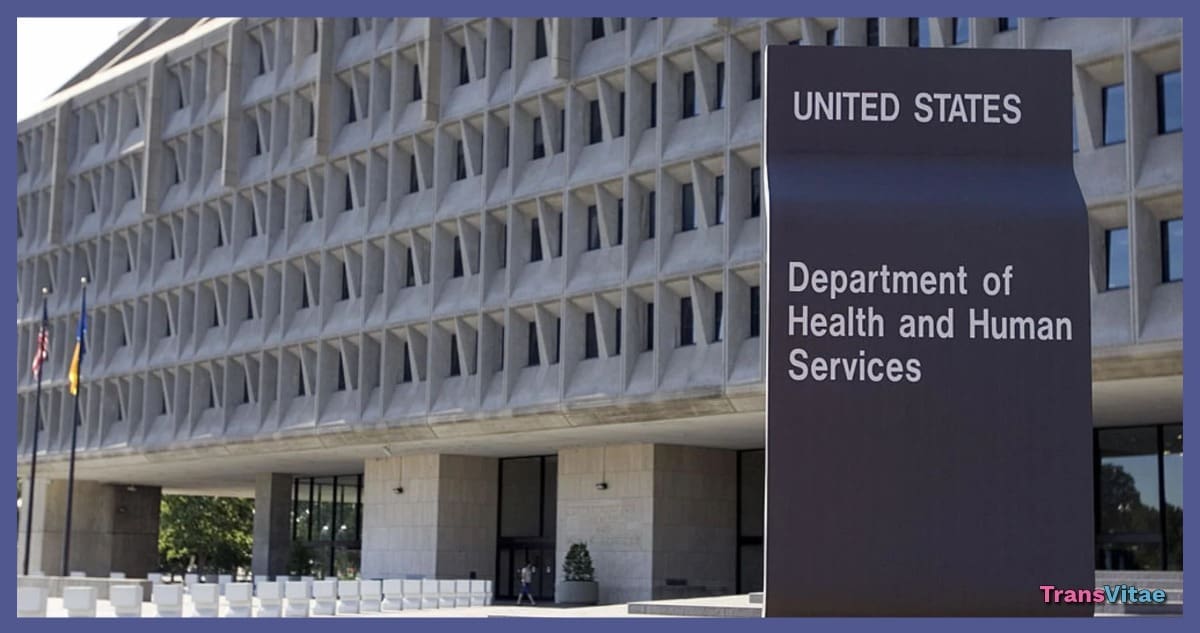
A federal judge has sharply criticized U.S. Health and Human Services Secretary Robert F. Kennedy Jr. while blocking a federal effort that threatened access to gender-affirming care for transgender youth, marking a significant legal setback for the Trump administration’s health agenda.
In a ruling issued by U.S. District Judge Mustafa T. Kasubhai, the court vacated a controversial HHS declaration that labeled gender-affirming care for minors as unsafe and ineffective. The decision described the policy as an overreach of federal authority and warned that leadership lacking seriousness can pose real harm when shaping public health decisions.
The now-blocked declaration, issued in December 2025, had threatened to cut federal funding to hospitals and providers offering treatments such as puberty blockers and hormone therapy to transgender youth. The policy also claimed these treatments failed to meet accepted medical standards, a position widely disputed by major U.S. medical organizations.
A coalition of 19 states challenged the directive, arguing it bypassed required federal rulemaking procedures and contradicted established medical consensus. The court agreed, finding that HHS failed to follow the Administrative Procedure Act, which requires agencies to provide public notice and allow comment before implementing sweeping policy changes.
Judge Kasubhai also emphasized that regulating medical care has historically been the responsibility of states, not the federal government. In his decision, he wrote that the administration’s approach pressured healthcare providers into halting care out of fear of losing funding, even in states where such care remains legal and protected.
The ruling restores clarity for providers who had paused services amid uncertainty. In recent months, some hospitals scaled back or suspended gender-affirming care programs to avoid potential federal penalties, creating disruptions for patients and families.
Medical experts have consistently maintained that gender-affirming care, when provided according to established guidelines, is evidence-based and can significantly improve mental health outcomes for transgender youth. Organizations like the American Medical Association continue to support access to such care and oppose political interference in clinical decision-making.
The broader policy push stems in part from a 2025 executive order aimed at restricting gender-affirming treatments for minors by leveraging federal funding. That order has faced multiple legal challenges across the country, with courts increasingly scrutinizing the administration’s authority to enforce such restrictions.
While the HHS is expected to appeal, the ruling represents a major moment in the ongoing legal battle over transgender healthcare in the United States. For now, providers can continue offering care without the immediate threat of losing federal support, and advocates say the decision reinforces the role of science and established medical standards in guiding treatment, not political directives.
