


A new federal education bill introduced in the U.S. House of Representatives is raising alarms among transgender advocates, educators, and civil rights groups by potentially banning broad swaths of school materials and activities that touch on transgender identity or experience.
On February 24, 2026, Representative Mary Miller (R-IL) and 17 GOP cosponsors filed H.R. 7661, titled the Stop the Sexualization of Children Act, as an amendment to the Elementary and Secondary Education Act of 1965. The bill would bar the use of federal education funds for any program or activity for, or to provide or promote literature or other materials to, children under the age of 18 that includes sexually oriented material. The text of the bill states that sexually oriented material includes anything that involves gender dysphoria or transgenderism.
The proposal was introduced within hours of President Donald Trump’s State of the Union address, in which he condemned school policies involving transgender students and called for an immediate ban on such content, setting the stage for a heightened national debate.
What Is in the Bill
According to the government’s official text, H.R. 7661 would make schools that receive federal funding ineligible to develop, host, or promote programs, activities, or books that contain what the bill categorizes as sexually oriented material. The language extends beyond explicit sexual content to include any material involving gender dysphoria or transgenderism.
The bill includes limited exceptions to prevent interference with standard science coursework, teachings about major world religions, classic literature, and classic works of art. Those exceptions are defined using specific older lists that many educators say limit their practical value.
Critics Sound the Alarm
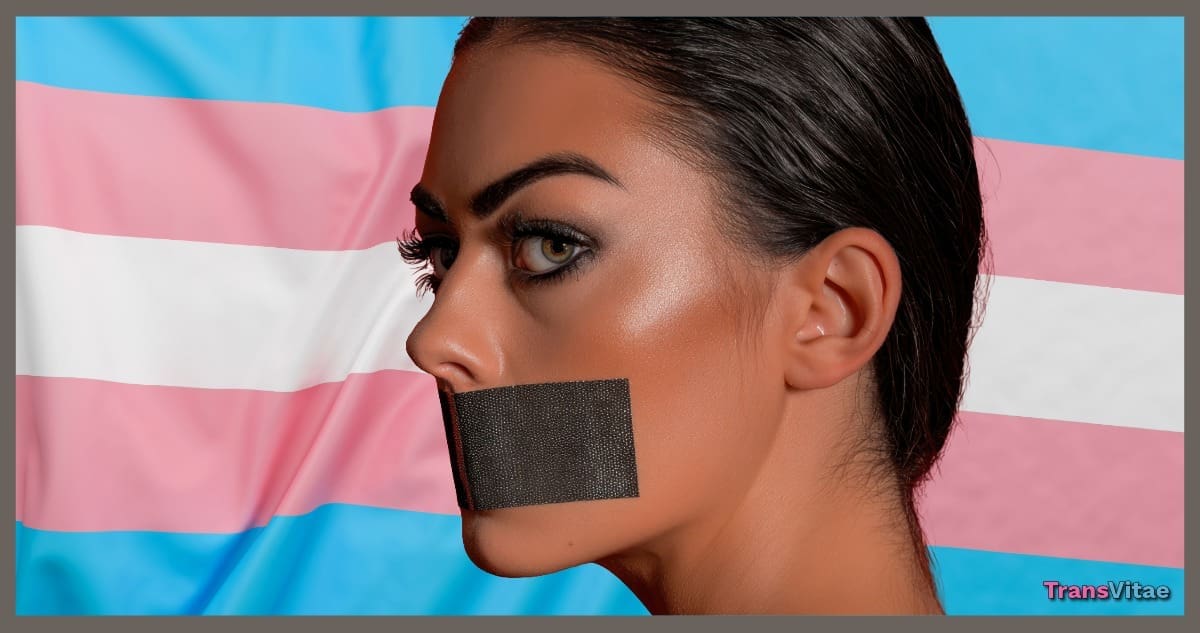
Civil rights advocates and LGBTQ+ organizations have quickly criticized the measure as a nationwide “Don’t Say Trans” censorship bill, warning it could effectively prohibit teachers from providing supportive or factual information about transgender identities in federally funded school settings.
Opponents argue that tying discussions or depictions of transgender lives to a legal definition of sexually oriented material risks censoring books, counseling resources, support groups, and inclusive curricula simply because they reference gender identity and not explicit content.
The Bottom Line
The bill has been referred to the House Committee on Education and Workforce and has not yet received a committee hearing or a vote. Its broad language means the real battle is likely to take place in committee testimony, public debate, legal challenges, and court interpretation.
For transgender students, educators, and families across the United States, the stakes are clear: H.R. 7661 could reshape what schools are allowed to teach or make available in classrooms and libraries, with profound implications for trans-inclusive education and support services.
