


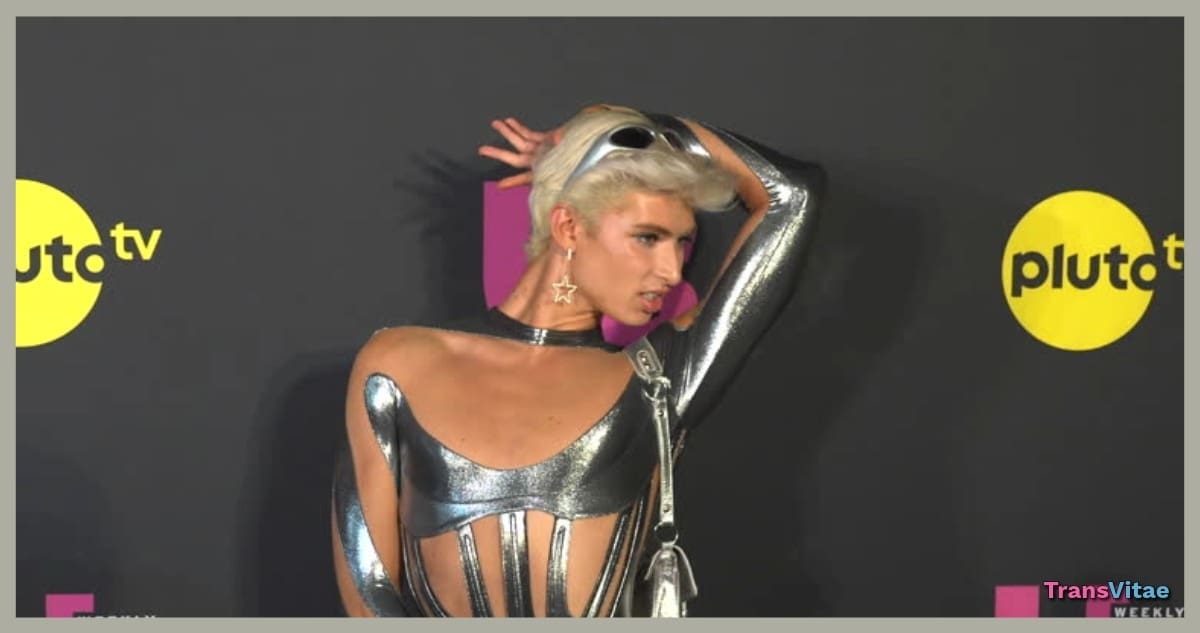
A video posted to TikTok and Instagram on New Year’s Day showing digital creator Zachary Willmore being verbally accosted while using a men’s bathroom has reignited conversations about how LGBTQ+ people are policed in gendered spaces.
Willmore, a 22-year-old gay content creator known for documenting his life, including living with HIV and advocating for visibility and acceptance, captured footage of an altercation in a public bathroom on New Year’s Eve. In the clip, an apparently intoxicated man confronts him about his appearance, criticizing his feminine presentation, including jewelry and clothing, and questioning why he was in the men’s bathroom.
“I didn’t want any problems,” Willmore said in the video, explaining that he chose a stall to avoid conflict. Despite this, the man continued, deriding his appearance and suggesting he belonged in a women’s restroom. Willmore later clarified that he is cisgender and used the men’s bathroom because he is male, underscoring how assumptions about gender expression often fuel harassment.
The video quickly spread across platforms, drawing widespread condemnation of the man’s behavior and support for Willmore. Social media users identified the harasser as Jaxon Terill, who later acknowledged online that his actions were wrong and stated that he had apologized to Willmore.
The incident comes at a time when debates over access to gendered spaces remain highly charged. In recent years, multiple states have enacted laws restricting bathroom access for transgender people, often accompanied by increased public scrutiny over who is deemed acceptable in gendered facilities. Advocates argue that these laws and the rhetoric surrounding them contribute to a culture where individuals feel emboldened to confront or harass others based on appearance alone.
Civil rights organizations note that such confrontations do not only affect transgender people. Anyone who does not conform to narrow expectations of masculinity or femininity can become a target, regardless of their actual gender identity.
For Willmore, the bathroom incident echoes an earlier moment that placed him in the national spotlight. In 2021, he became Missouri’s first male homecoming queen at Rock Bridge High School, a milestone that drew national media attention. While the moment was celebrated by many as a sign of progress, it also triggered intense backlash, including online harassment and death threats.
At the time, Willmore said his decision to run for homecoming queen was not meant as a protest. He explained that he simply preferred the aesthetic and symbolism associated with the title and asked his peers to vote accordingly. Students ultimately did, making his win a defining moment in conversations about gender norms in schools.
Now, years later, the resurfacing of Willmore’s story through the viral bathroom video highlights how visibility does not always translate into safety or acceptance. Advocates say the incident serves as a reminder that everyday activities, such as using a public restroom, can still become flashpoints for hostility.
Willmore has continued posting online since the incident, using his platform to speak openly about stigma, identity, and resilience while receiving an outpouring of support from followers across social media.
