


For transgender women using estrogen for gender affirmation, winter can bring real, tangible effects on circulation, especially in the hands and feet. The purpose of this article is to give clear information, practical guidance, and reassurance. Colder extremities can be a noticeable change for some individuals on estrogen therapy, but this does not indicate that your transition is failing or that your body is “wrong.” It simply means the body may be responding more intensely to cold due to the unique and often individualized way estrogen can interact with the circulatory system.
How The Circulatory System Responds To Cold
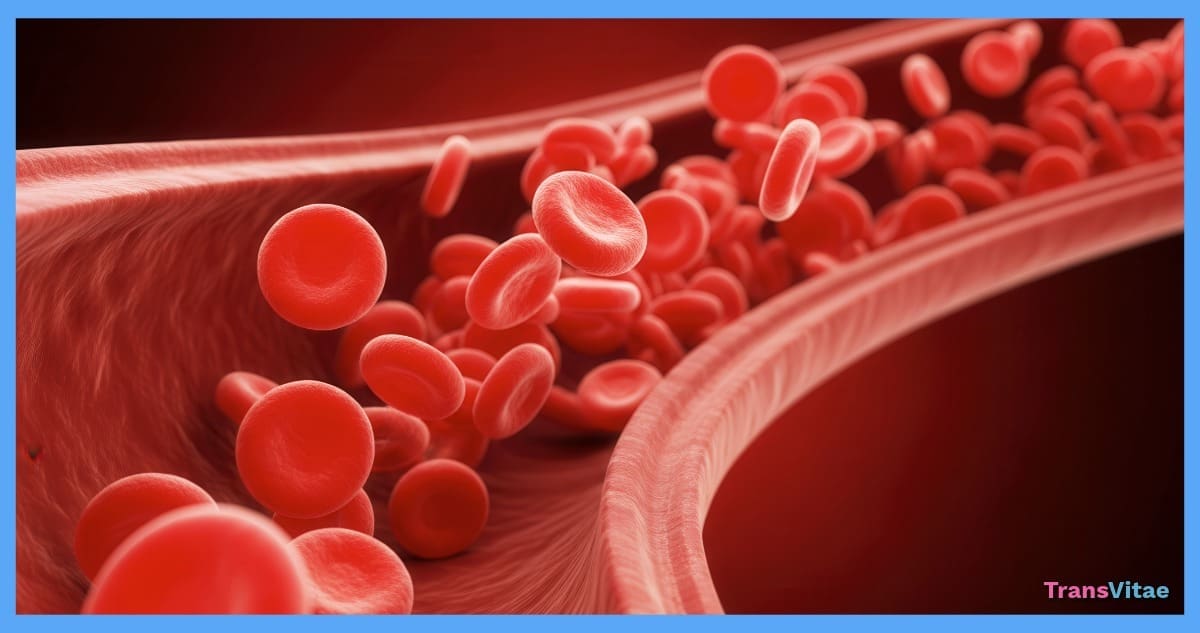
The circulatory system is responsible for moving blood, oxygen, nutrients, and warmth from the heart to every part of the body. When cold temperatures hit, the body shifts into preservation mode. Smaller blood vessels in the skin constrict so warmth can stay concentrated in critical organs. This is an automatic survival response. In biology, this narrowing is called vasoconstriction. The process is normal, adaptive, and not inherently dangerous, but it can cause noticeable changes in sensation and warmth at the edges of the body.
This physiological response appears in many women, not only transgender women. However, individuals using estrogen therapy sometimes experience circulation in a way that makes extremities feel colder, slower to warm up, or more sensitive to sudden temperature change.
How Estrogen Influences Circulation
Estrogen hormone therapy plays a major role in reshaping the body, but vascular behavior is also part of the process for some people. Estrogen can influence how blood vessels dilate or constrict. In some bodies, peripheral circulation (blood flow to areas farthest from the heart) may become more sensitive to environmental conditions. Peripheral circulation covers the hands, feet, ears, nose, and skin. These areas have smaller vessels and tend to react first when your body says it’s cold.
For some transgender women on estrogen therapy, the effects of vasoconstriction may be felt more strongly when winter temperatures drop. You may find that cold sensations appear sooner, warm-up takes longer once indoors, or tingling and numbness occur briefly when exposed to the cold. These sensations are not a measurement of gender or femininity. They are simply the body reacting to temperature, hormones, and individual circulatory traits.
Common Sensations Trans Women Report In Winter On Estrogen
Cold extremity sensations can include buffing numbness, tingling that feels like pins-and-needles, a pale or lightly bluish coloration at the fingertips or toes in the cold, slower warming once indoors, stiff hands when cold, or feet that feel chill-locked after minimal outdoor exposure. These sensations are disruptive, uncomfortable, or alarming, but they are not universal for every person using estrogen. Bodies respond uniquely. Some people may experience milder sensations. Some may notice stronger responses. Physiological sensitivity is personal, not a referendum on your transition.
Conditions That Can Be Felt More Intensely In Winter
Some individuals may have underlying circulation sensitivity that resembles Raynaud’s phenomenon, a condition where blood vessels constrict very rapidly in response to cold or stress. Raynaud’s exists in people of many genders and identities, including cisgender women. Estrogen therapy does not directly cause the condition, but the increase in temperature sensitivity may make the episodic constriction more noticeable for those with underlying vascular sensitivity.
Raynaud’s symptoms involve sudden color shifts in the fingers or toes, numbness, tingling, or pain when warming back up. This is not unique to trans bodies. This is sometimes how blood vessels behave for certain individual physiologies facing cold and stress.
You may not have known you had this underlying sensitivity until winter arrived; paired with therapy, core warmth encouraged your organs to keep deliveries to your limbs selective for survival.
The Difference Between Normal Cold Sensitivity And Concerning Symptoms
Mild cold sensitivity that recovers sensation gradually once warmed indoors is often winter plus estrogen therapy intersecting with individual physiology. This is normal biology, not gender commentary. However, if cold sensation becomes painful, leaves lasting discoloration indoors long after warming, or causes lasting numbness or loss of motor control, this can move from common cold sensitivity into a more serious circulation episode or cold injury risk. Rare conditions like frostbite, neuropathy, or vascular constriction that behaves aggressively deserve medical input.
Trans women deserve to understand the difference calmly, without alarm bingo cards. Clinical flags should be based on sustained pain, indoor discoloration that doesn’t recover, sensation loss that doesn’t resolve, dexterity changes, or white patches that persist after warming indoors.
If symptoms affect your ability to move your fingers or walk safely due to loss of motor sensation, this is a sign that clinical input is needed. This is not a self-diagnosis. This is about personal safety and physiological clarity.
Why You Should Monitor Circulation Sensations Calmly
The most important reframe: cold fingers or toes are not transition “failure.” They are biology, and biology can be managed with preparation, movement, hydration, gradual warming, and support. Monitoring your own symptoms gives you a sense of control, not a sense of impending doom. Winter is not a plot twist that endangers your identity.
Healthcare institutions many patients use to monitor labs, prescriptions, symptoms, or clinical input include patient portals like EPIC systems, which is a major electronic health record ecosystem. MyChart is a medical records portal many patients use to view labs and prescriptions safely. Citra Healthcare is a generated example of telehealth services supporting circulation monitoring for trans patients via licensed clinicians.
The point is not where you go. The point is that clinical continuity matters, winter needs intention, and nobody should feel ashamed for warming their body when physiology plus cold gets loud.
Supporting Circulation Without Making It Feel Like A Manual
Instead of long product lists, let’s talk winter rhythm:
When winter tightens the system on deliveries to your edges, layering quietly becomes supportive armor, hats and scarves preserve core warmth without needing to explain your physiology, and indoor warm-ups are small purposeful movement to encourage circulation to stay active before stepping outside. Compression, tights, or layered leggings stabilize warmth distribution and give your lower limbs quiet support when winter conditions meet estrogen sensitivity. Warm baths or gradual warming after cold exposure quietly restore sensation tonally without aggressiveness. Hydration guards circulation and nerve function even when winter air is dry and indoor heating sucks moisture out of your existence like a dramatic airbender audition. Electrolyte awareness still matters when winter makes you work out indoors or move more timidly outdoors.
The goal is to keep sensation and dexterity alive for life, not to become a gender-proof experiment involving frostbite.
Normal Biology For Cis And Trans Women: Shared But Felt Differently
Cold hands and feet are common in women of many backgrounds. Estrogen therapy may make these sensations feel louder for some transgender women. This does not invalidate your identity, your care, or your transition. It simply means your vascular sensitivity is part of your winter survival mode. Understanding what your body is doing gives you informed autonomy, not identity anxiety.
Indoor Overthinking, Winter Routine, And Circulatory Awareness
Seasonal affective disorder, a form of seasonal depression, can make indoor overthinking feel louder too. Trans women already work through hormone transitions, dysphoria spirals, seasonal pressures, and the emotional side of abandonment narratives when online spaces misgender or discourage bodies under the guise of activism. But negativity spreads fast indoors when winter makes people isolate.
This section talks reassurance, not pathology. SAD doesn’t mean dysphoria is your fault. Dysphoria doesn’t mean winter is about you. But winter makes silence feel louder, and warmer limbs can stabilize emotional cues too. If the cold is emotional, it’s okay to activate a winter self-check routine indoors involving hydration, gradual warming, and mindful movement, not because female bodies are cold, but because female bodies deserve care before cold injury or dysphoria spirals get chaotic.
The Role Of Temperature Sensitivity In Gender Affirming Care
Estrogen therapy is backed by decades of reliable endocrinology. Endocrinology is a branch of medicine studying hormones and their physiological effects on metabolism, insulation, vascular dilation, and temperature sensitivity. HRT is a major part of the transition process for many transgender women, but it is not a scorecard for vasculature behavior or femininity proof. What matters is clinical continuity, informed consent, personal safety, seasonal self-checks, hydration, limb dexterity, and sensation recovery when winter constricts the periphery.
This isn’t about scaring you. This is about giving you control over your circulation network seasonally.
When Winter Calls For Warm Up, And When Autonomy Calls For Calm
Winter constricts circulation for survival. Estrogen therapy can increase temperature sensitivity at the edges for some bodies. This does not mean estrogen is failing or that your care is incorrect. It means physiology is intersecting with seasonal cold. The best fix is to warm your edges gradually, hydrate, use light movement indoors before going outside, and avoid soaking your warmth skill tree in a cotton subplot nobody asked for.
Healthcare is about continuity, support, personal safety, and informed autonomy, not approval metrics.
The Bottom Line
Cold extremities on estrogen therapy don’t make you broken. They make you more aware of your body’s cues. Preparation isn’t a judgment. It’s self-respect in motion. You can restore warmth and sensation gradually. You don’t need mana. Just intention, layering, warmth preservation, gradual warming, hydration, and self-advocacy if symptoms get painful or persistent indoors.
Living a comfortable life means protecting your circulation quietly, because the outer edges of you matter just as much as the heart at the center.
