


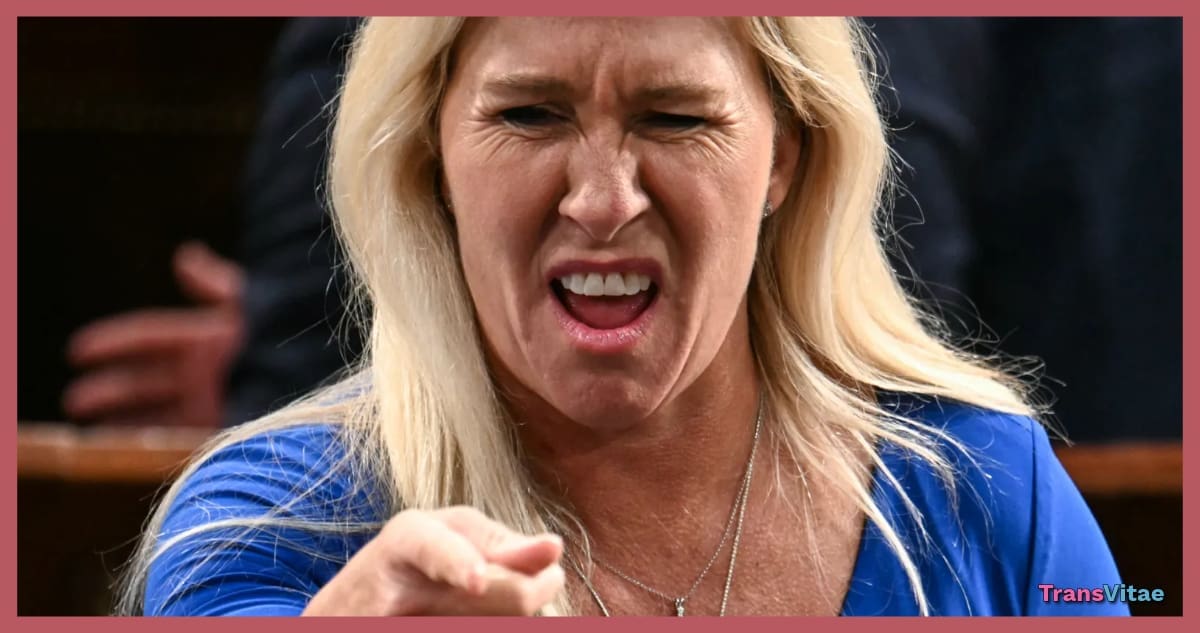
The U.S. House of Representatives is preparing to vote this month on a controversial bill sponsored by Rep. Marjorie Taylor Greene of Georgia that would make providing gender-affirming care to transgender minors a federal crime. Medical leaders, civil rights organizations, and families of transgender youth warn that the measure would eliminate critical and widely recognized treatment options.
The legislation, titled the Protect Children’s Innocence Act (H.R. 3492), was introduced in May 2025 and moved out of the House Judiciary Committee in September with the committee report H. Rept. 119 311. The bill’s full text is available through Congress.gov.
The bill seeks to create a federal criminal penalty for providing puberty blockers, cross-sex hormones, or surgical care for the treatment of gender dysphoria in anyone under 18. The reporting describes the bill as creating a class C felony punishable by up to 10 years in prison for medical providers.
According to the language cited in these reports, the bill characterizes gender-affirming medical treatments as “chemical castration,” despite the fact that puberty blockers and hormone therapy are reversible interventions that are endorsed by major medical associations.
“…would make it a felony to provide puberty blockers or cross-sex hormones for the treatment of gender dysphoria. The bill calls this chemical castration, even though the effects of these treatments are reversible. Health care providers would be subject to a sentence of up to 10 years in federal prison and/or a significant fine.”
Greene has framed the bill as a measure intended to protect children, and she negotiated a House floor vote on the legislation in exchange for supporting the National Defense Authorization Act. Critics argue that the bill ignores decades of medical research and would impose criminal penalties on doctors who follow evidence-based care guidelines.
Civil rights groups, including the American Civil Liberties Union, have urged lawmakers to reject the bill. They note that nearly every major medical organization in the United States supports gender-affirming care as medically necessary for youth diagnosed with gender dysphoria. These groups warn that the bill would worsen health disparities and expose families to legal risk merely for seeking standard treatment.
Advocates also express concern that the bill does not ban procedures frequently performed on cisgender youth, such as treatment for precocious puberty. In addition, opponents note that the bill does not restrict nonconsensual surgeries performed on intersex infants, which human rights organizations have long criticized.
For transgender adolescents and their families, the policy implications are significant. Research consistently shows that access to gender-affirming care is associated with reduced depression and lower suicide risk among transgender youth. Experts fear that criminalizing this care would drive families out of state, force treatment underground, or create dangerous delays in needed care.
As the House moves toward a vote on H.R. 3492, the debate reflects a broader national struggle over transgender rights, healthcare autonomy, and the well-being of young people who rely on medically recommended treatment.
