


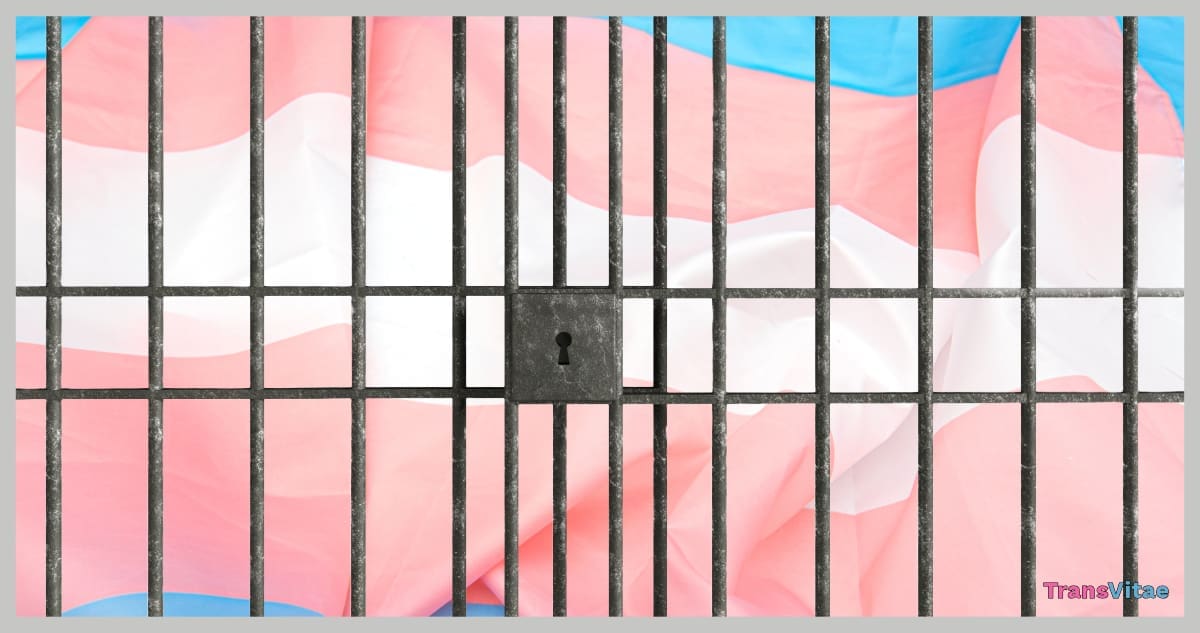
The Federal Bureau of Prisons has issued a sweeping new policy that eliminates access to gender-affirming surgeries, halts the initiation of hormone therapy, and directs the tapering of existing hormone treatment for transgender people in federal custody.
Program Statement 5260.01, titled Management of Inmates with Gender Dysphoria, was signed February 19, 2026, by Bureau Director William K. Marshall III. The directive replaces previous internal guidance and aligns Bureau policy with Executive Order 14,168, which restricts the use of federal funds for medical interventions intended to conform an inmate’s appearance to that of the opposite sex.
Under the new policy, the Bureau “will not provide sex trait modification surgeries” for inmates diagnosed with gender dysphoria. Individuals who previously underwent such procedures will receive care only for medical complications related to those surgeries.
Hormone therapy is also sharply restricted. Inmates not currently receiving hormones will not be started on treatment for gender dysphoria. For those already on hormones, primary care providers must develop tapering plans, subject to review by a Multidisciplinary Review Team. The directive calls for rapid discontinuation for inmates who recently began hormone treatment and an “appropriately paced” discontinuation for those on long-term therapy. Tapering plans must still align with the stated purpose of the policy and consider security and prison administration concerns.
The Bureau will also end “social accommodations,” including items such as binders, breast padding, wigs, and cosmetics. Existing accommodations may be removed or confiscated when practicable.
While restricting medical transition, the directive states that inmates diagnosed with gender dysphoria will continue to receive mental health evaluation and psychotherapy. Treatment plans are directed to prioritize psychotherapy and management of psychological distress. The policy emphasizes compliance with federal law, including the Eighth Amendment, and states that nothing in the directive prevents officials from providing care required by law.
Advocates for incarcerated transgender people warn that hormone discontinuation and removal of accommodations could increase psychological distress and safety risks. Legal experts anticipate constitutional challenges, particularly regarding whether tapering or denying hormone therapy violates established medical standards or the Eighth Amendment’s prohibition on deliberate indifference to serious medical needs.
The policy takes effect immediately across federal facilities. Its practical impact will likely unfold as institutions begin implementing tapering plans and removing accommodations, setting up what may become the next major legal battle over transgender health care in federal custody.
