


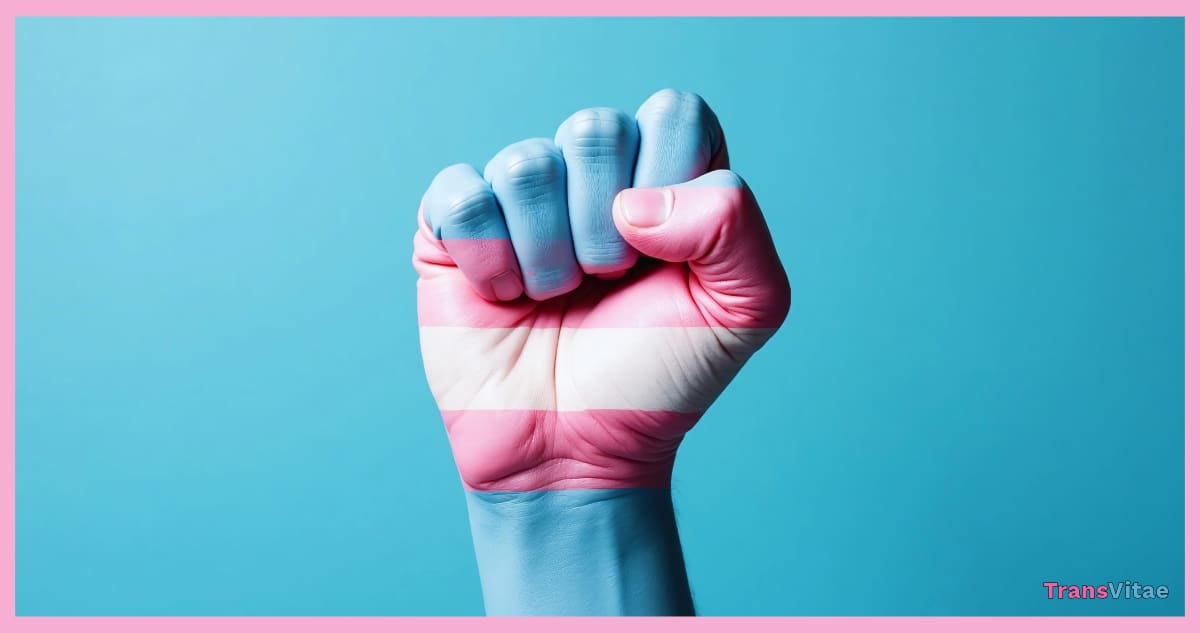
U.S. Senator Ed Markey of Massachusetts and U.S. Representative Pramila Jayapal of Washington on Tuesday reintroduced the Transgender Bill of Rights, a federal resolution aimed at affirming and strengthening protections for transgender and nonbinary people across the United States.
The resolution was announced Feb. 11 at a press conference outside the U.S. Capitol alongside members of Congress and national advocacy organizations. Supporters described the measure as a response to a surge of state and federal proposals they say target transgender communities.
Jayapal, co-chair of the Congressional Equality Caucus’ Transgender Equality Task Force, said the resolution sends a clear message that transgender people deserve to live free from discrimination and political attacks. She pointed to what she characterized as escalating efforts in legislatures nationwide to restrict access to gender-affirming health care, limit participation in public life, and roll back civil rights protections.
Markey echoed those remarks, calling the measure both a moral and policy imperative. He said transgender rights are human rights and that Congress has a responsibility to ensure trans and gender-diverse Americans can live safely and authentically.
The Transgender Bill of Rights is a resolution, meaning it does not create binding law. Instead, it outlines a framework urging federal agencies and Congress to codify and enforce protections for transgender people under existing civil rights statutes. According to materials released by the lawmakers, the resolution supports access to gender-affirming health care, the ability to obtain accurate identity documents, equal treatment in education and employment, and protection from discrimination in federally funded programs.
Supporters argue that a federal standard is needed amid what advocacy groups describe as an unprecedented wave of anti-trans legislation introduced in statehouses over the past several years. Civil rights organizations have tracked hundreds of bills targeting transgender youth and adults, particularly in areas such as health care, athletics, and public accommodations.
Advocates for Trans Equality praised the reintroduction in a public statement, saying the resolution represents a strong stand for dignity and equal protection under the law. The group urged Congress to move beyond symbolic support and advance comprehensive legislation that would enshrine nondiscrimination protections nationwide.
While the resolution is unlikely to advance in a divided Congress, sponsors framed it as part of a broader effort to build support for future legislation, including measures such as the Equality Act, which would amend federal civil rights law to explicitly prohibit discrimination based on sexual orientation and gender identity.
Lawmakers said the reintroduction reflects ongoing efforts by congressional Democrats to counter policies they view as harmful to transgender Americans and to reaffirm federal commitment to civil rights protections.
