


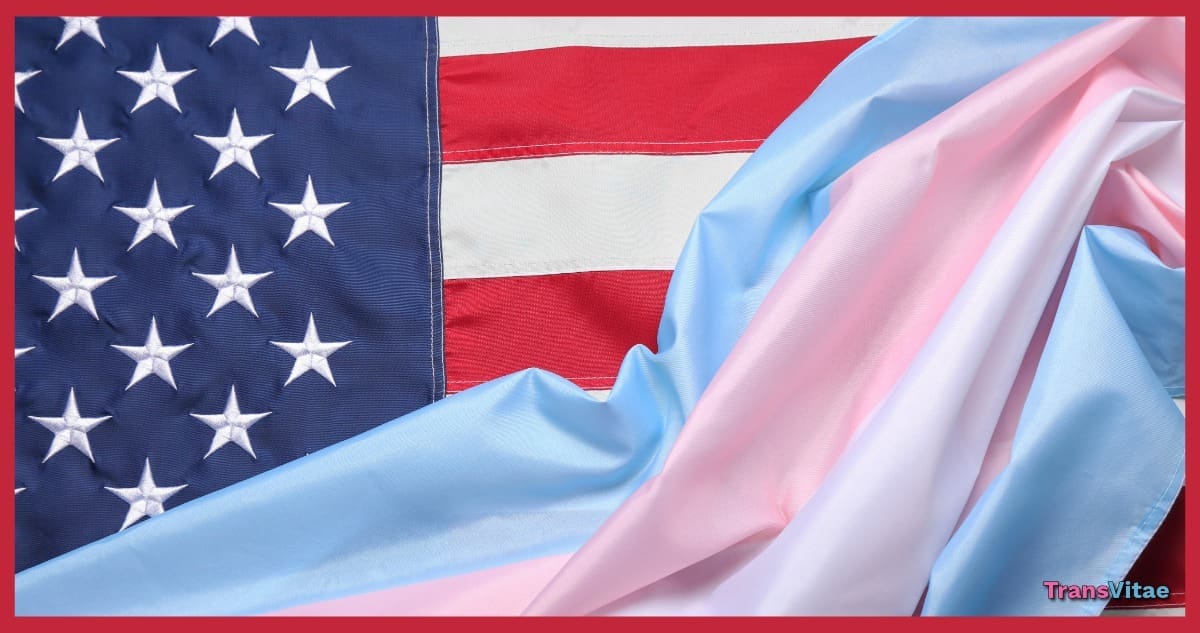
Transgender and nonbinary candidates secured historic victories across the United States in Tuesday’s midterm elections, winning seats in Congress, state legislatures, and local government. The results included several political firsts in states where transgender representation had previously been nonexistent.
According to reporting across the country, at least 11 transgender and nonbinary candidates won their races, including newcomers and incumbents seeking additional terms. Five states elected their first openly transgender or nonbinary state lawmakers.
In Alabama, Democrat Allison Montgomery defeated Republican incumbent Phillip Rigsby in House District 25, becoming the state’s first openly transgender legislator. Montgomery, a software engineer, campaigned on affordability, public education, and healthcare access.
Michigan voters elected Joanna Whaley to House District 2, making her the state’s first openly transgender woman elected to the Legislature. Whaley, a former evangelical pastor and hospital chaplain, defeated Republican Ron Kokinda with approximately 63% of the vote.
In Georgia, Bentley Hudgins won House District 90, becoming the first openly transgender and nonbinary member of the Georgia General Assembly. Hudgins, a longtime LGBTQ+ organizer, also became the state’s first Japanese American legislator.
Washington elected Jaelynn Scott in House District 37. Scott became the state’s first openly transgender legislator and the nation’s first openly Black transgender woman elected to a state legislature.
In Wisconsin, Dina Nina Martinez-Rutherford won Assembly District 76 with more than 90% of the vote, becoming the state’s first openly transgender legislator.
Several established transgender lawmakers also secured reelection.
In Delaware, Sarah McBride, the first openly transgender member of Congress, won a second term in the U.S. House of Representatives.
Montana state Rep. Zooey Zephyr won another term unopposed, while Minnesota state Rep. Leigh Finke defeated Republican Mark Born to secure her third term.
Delaware’s openly nonbinary state Rep. DeShanna Neal also won reelection unopposed. Michigan’s nonbinary state Rep. Emily Dievendorf secured another term.
In Florida, Quinnie Pérez became the state’s first openly transgender woman elected to public office, winning a seat on the Orange County Soil and Water Conservation District board.
The victories came during an election cycle dominated by debates over transgender rights, including healthcare restrictions and participation in school sports.
However, the results were not uniformly favorable to transgender Americans. Washington voters approved a measure restricting transgender girls’ participation in school sports, demonstrating that electoral gains for transgender candidates do not necessarily translate into broader support for transgender rights.
Still, the election significantly expanded transgender representation in American government, placing more openly transgender voices in legislative chambers where policies affecting their communities are debated and decided.
