


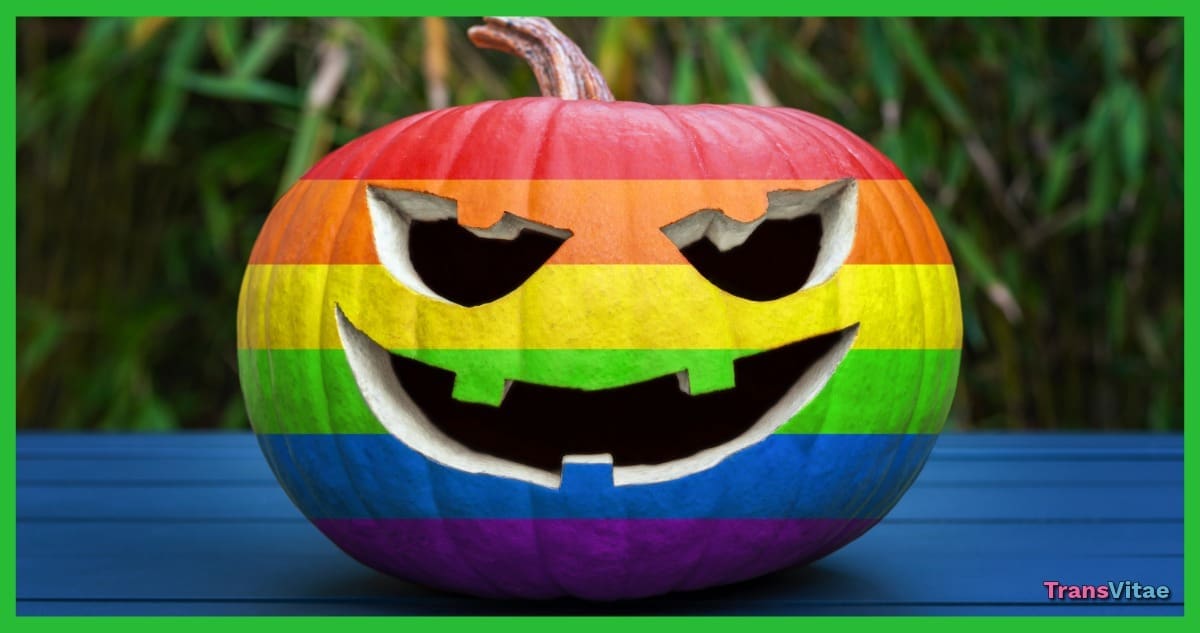
There is something wonderfully ironic about the relationship between LGBTQ+ people and monsters. Society spends centuries warning everyone about creatures that look different, behave differently, or refuse to follow the rules of respectable civilization. Meanwhile, queer audiences are sitting in the theater thinking, “Okay, but hear me out.”
Vampires hiding their true nature. Witches persecuted for possessing forbidden knowledge. Werewolves struggling with transformations they cannot control. Creatures rejected by the very people who brought them into existence. Horror is practically overflowing with characters whose stories echo experiences familiar to LGBTQ+ audiences.
That doesn’t mean Dracula was secretly campaigning for marriage equality or that every werewolf transformation is an allegory for gender transition. Sometimes a monster is simply a monster. But horror has always provided a fascinating space to explore the boundaries between normal and abnormal, acceptable and unacceptable, human and supposedly something else. For transgender people in particular, these stories can carry additional meaning. When society insists that your existence is unnatural, dangerous, or frightening, there is something oddly comforting about watching the supposed monster turn out to be the most human character in the story. And sometimes, the monster gets fabulous clothes and supernatural powers. Honestly, that’s not a terrible consolation prize.
The Monster as Society’s Favorite Outsider
Monsters rarely exist in a cultural vacuum. They tend to reflect whatever a society fears, misunderstands, or wants to control. Throughout literary and cinematic history, monsters have represented anxieties surrounding disease, immigration, sexuality, scientific advancement, religious difference, and changing social expectations. The particular fear changes with the times, but the underlying formula remains remarkably consistent: take something unfamiliar, declare it dangerous, and convince everyone that civilization depends on keeping it under control. Sound familiar?
In horror studies, scholars have long examined how monsters embody cultural boundaries. Jeffrey Jerome Cohen’s influential essay, “Monster Culture (Seven Theses),” describes monsters as creations that reveal the fears and desires of the societies imagining them. Monsters are not simply frightening creatures. They are cultural symbols that help define what a community considers normal.
For LGBTQ+ audiences, that concept has particular relevance. Queer people have historically been portrayed as threats to traditional families, religious morality, childhood innocence, and social stability. Those accusations have often said far more about the people making them than about the communities being targeted. The monster becomes a convenient container for collective anxiety. But when audiences begin questioning who gets to define normal, the story changes. Suddenly, the creature hiding in the shadows may seem considerably less frightening than the villagers carrying torches.
Vampires, Secrets, and the Art of Living Two Lives
Few monsters have enjoyed a relationship with queer culture quite like vampires. They’re dramatic, frequently beautiful, suspiciously well dressed, and apparently incapable of maintaining a conventional sleep schedule. The similarities practically write themselves. But beneath the aesthetic appeal lies a deeper connection involving secrecy, desire, and identity.
Bram Stoker’s Dracula, published in 1897, emerged during a period when Victorian society maintained strict expectations surrounding sexuality and acceptable behavior. Scholars have explored the novel’s treatment of forbidden desire, bodily intimacy, and anxieties about crossing social boundaries. Earlier vampire fiction offers even more direct material for queer interpretation. Sheridan Le Fanu’s 1872 novella Carmilla features an intensely intimate relationship between a female vampire and a young woman. Its mixture of attraction, fear, and forbidden intimacy has made it a significant work in discussions of lesbian representation in Gothic literature.
Modern vampire stories have expanded those possibilities. Anne Rice’s The Vampire Chronicles frequently explores unconventional relationships, emotional intimacy between men, and forms of family that exist outside traditional social structures. Television adaptations and contemporary vampire fiction have made queer interpretations even more explicit.
For transgender audiences, the vampire’s double existence can also feel familiar. There is the identity presented to the outside world and the hidden reality known only to trusted individuals. Discovery can mean rejection, danger, or liberation. Of course, being transgender is not remotely comparable to needing human blood for dinner. The connection lies in the emotional architecture of secrecy and revelation, not in the monster’s actual behavior. And unlike the vampire, transgender people should not have to wait for someone to invite them inside before being treated with basic respect.
Witches, Gender, and the Fear of Powerful Women
If vampires represent forbidden desire, witches frequently embody society’s discomfort with people, especially women, who refuse to remain within prescribed boundaries.
The historical witch trials were complex events shaped by religious beliefs, political conflicts, local disputes, and social anxieties. They cannot be reduced to a single explanation about persecuting independent women. Men were also accused and executed, and the patterns varied considerably across regions. Nevertheless, gender played an important role in many European witch persecutions, where women made up a substantial majority of those accused.
The fictional witch inherited much of that cultural baggage. She is often unmarried, sexually independent, elderly, outspoken, knowledgeable, or uninterested in obeying authority. Sometimes she lives alone with cats, which frankly sounds less like a threat to civilization and more like a reasonable retirement plan. For queer audiences, witches can represent the power of rejecting expectations.
Modern interpretations have increasingly reclaimed the witch as a symbol of autonomy, resistance, and self-definition. From The Craft to Practical Magic, witch-centered stories explore outsiders discovering power through relationships, knowledge, and community. These themes can resonate with transgender women who have experienced scrutiny over how femininity should look, sound, or behave. The witch does not necessarily seek permission to exist. She learns what she is capable of and decides how to use that power, making her an appealing figure for anyone tired of having strangers dictate the acceptable boundaries of their identity.
Werewolves and the Body That Refuses to Behave
Werewolf stories introduce another familiar horror theme: transformation. The body changes, familiar sensations become unfamiliar, and other people react with fear. The individual must learn to navigate a physical reality that no longer fits their previous understanding of themselves. It’s easy to see why some transgender viewers might recognize elements of their own experiences in these narratives.
However, the comparison requires care. In traditional werewolf fiction, transformation is frequently portrayed as a curse involving violence, loss of control, and unwanted physical changes. Gender transition, by contrast, can be an affirming process through which someone brings their physical presentation into closer alignment with their identity. The experiences are not equivalent, and treating them as interchangeable risks reinforcing the very stereotypes that make life difficult for transgender people.
What makes the metaphor useful is the broader question of bodily autonomy. Who gets to decide what a body means? Why does physical difference provoke fear? And what happens when someone must navigate a society that interprets their appearance before understanding their humanity?
Queer readings of werewolf stories often focus on these questions rather than treating transformation itself as inherently monstrous. The 2000 film Ginger Snaps, for example, uses lycanthropy alongside themes of puberty, sexuality, and changing bodies. Although not explicitly a transgender narrative, its treatment of physical transformation has invited broader interpretations involving gender and bodily anxiety. Sometimes the most frightening part of changing isn’t the change itself, but discovering how other people respond.
Frankenstein and the Right to Be Human
Mary Shelley’s Frankenstein, first published in 1818, offers perhaps the clearest example of a monster whose suffering emerges from rejection.
Victor Frankenstein creates a living being and immediately recoils from its appearance. His creation begins life seeking connection, understanding, and affection but repeatedly encounters hostility. The creature eventually commits terrible acts, and those actions cannot simply be dismissed. Yet Shelley also forces readers to confront the cruelty and abandonment that shape his development.
The central question becomes uncomfortable: Who bears responsibility when society creates an outsider and then punishes that outsider for existing?
For transgender readers, the creature’s desire to be recognized as fully human can be particularly affecting. He is judged before he speaks. His appearance becomes more important than his intelligence, emotional capacity, or longing for companionship. People decide what he must be based on what they see, rather than taking the time to understand who he is.
The tragedy is not simply that he looks different. It is that so few people are willing to look beyond that difference. That theme extends far beyond transgender identity, making Frankenstein one of literature’s enduring examinations of prejudice, responsibility, and the human need for belonging.
When Horror Turns the Outsider Into the Hero
Not every monster story reinforces the idea that difference should be feared. Some deliberately reverse it, inviting audiences to question whether the supposedly frightening creature is actually the most sympathetic character.
Guillermo del Toro’s The Shape of Water presents an amphibious creature whose humanity becomes apparent through his relationship with a woman who also experiences social marginalization. The film asks audiences to reconsider which characters deserve the label of monster. In The Rocky Horror Picture Show, conventional expectations surrounding gender, sexuality, and respectability collapse into a spectacular celebration of theatrical excess. Its history as a cult favorite among LGBTQ+ audiences is hardly accidental.
Meanwhile, the television series What We Do in the Shadows finds comedy in supernatural outsiders building dysfunctional communities and negotiating relationships that frequently disregard conventional expectations.
These stories allow queer viewers to enjoy something that traditional horror often denies its monsters: agency. The outsider can be desirable, funny, complicated, loved, and sometimes even victorious. They don’t always have to die so everyone else can feel safe, and their differences don’t automatically have to become problems that the story must resolve.
Finding Family Among the Freaks
One of horror’s most enduring themes is isolation. Monsters frequently exist apart from society, hiding in castles, forests, laboratories, or abandoned buildings. But contemporary supernatural fiction often explores what happens when outsiders find one another.
Vampire covens, witch circles, supernatural households, and groups of misunderstood creatures can function as unconventional families. That idea resonates with LGBTQ+ experiences of chosen family, particularly among people who have faced rejection from relatives or their communities. Chosen family does not necessarily replace biological family. It expands the understanding of what meaningful support and belonging can look like.
And horror offers plenty of imaginative versions. A vampire, a witch, and a werewolf sharing an apartment might sound like the beginning of a terrible sitcom, but it also suggests something important: people who are treated as outsiders do not have to remain alone. They can build communities around shared experiences, mutual understanding, and the freedom to exist without constantly explaining themselves.
Sometimes those communities are messy, dramatic, and full of questionable decisions. So, basically, family.
Loving Monsters Doesn’t Mean Accepting the Label
There is one important distinction worth making. Finding meaning in monster stories does not mean accepting the suggestion that LGBTQ+ people are monstrous.
Queer audiences can reclaim fictional outsiders, appreciate their symbolism, and recognize familiar emotional experiences without endorsing the prejudices that have historically associated sexual and gender diversity with danger or deviance. The appeal lies partly in reversing the perspective. Instead of automatically identifying with the frightened villagers, viewers begin asking whether the villagers have misunderstood the creature entirely.
Sometimes they have. Sometimes the creature really is dangerous. And sometimes horror is simply an entertaining excuse to watch an immortal aristocrat make terrible romantic decisions. Not every film needs to become a dissertation on identity politics.
But stories can offer opportunities to question assumptions, explore unfamiliar experiences, and develop empathy for people who have been treated as different. That is one of horror’s greatest strengths, particularly when audiences recognize that the line separating the monster from the hero is not always where society insists it should be.
The Real Horror Was the Prejudice All Along
As Halloween approaches, queer audiences will once again embrace vampires, witches, werewolves, ghosts, and every other creature lurking in the cinematic shadows. Some will appreciate the elaborate costumes. Others will enjoy the camp, the spectacle, or the deliciously dramatic villains. Still others will recognize something more personal in stories about secrecy, transformation, rejection, and belonging.
None of these interpretations needs to be universal. LGBTQ+ people are not a single audience, and monsters do not carry one fixed meaning. But there is something powerful about a genre that repeatedly asks who deserves to be considered human and who gets pushed outside the gates.
For transgender people living in a world where their identities are frequently debated by strangers, those questions can feel less fictional than they should. Perhaps that explains part of our affection for monsters. We’ve seen what happens when people are frightened of something they don’t understand. We’ve watched outsiders become scapegoats, difference become suspicion, and ordinary existence become the subject of moral panic.
And we’ve learned that the person everyone calls a monster isn’t necessarily the one we should fear.
So this Halloween, enjoy the fangs, the claws, the spells, and the dramatic black capes. Root for the misunderstood creature if you want to. Cheer when the witch gets her revenge. Just remember that the real world doesn’t require anyone to become supernatural to deserve dignity, love, and a place to belong.
Sometimes the bravest thing in the entire horror story is simply stepping out of the shadows and refusing to disappear.
