


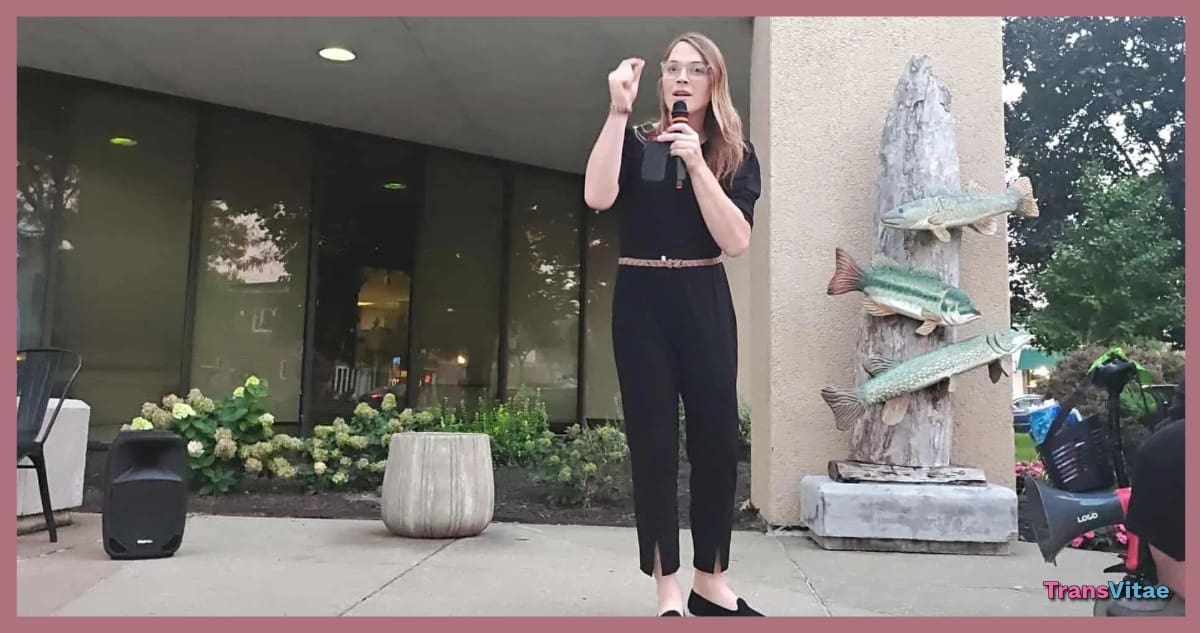
Joanna Whaley has made Michigan history.
The Lincoln Park pastor, hospice chaplain, and longtime community advocate won Tuesday’s Democratic primary for Michigan’s 2nd House District, becoming the first openly transgender person nominated for and, with no Republican challenger expected in the heavily Democratic district, effectively elected to the Michigan House of Representatives.
For LGBTQ+ advocates, the victory represents more than a campaign win. It is a milestone achieved after months of political attacks that focused less on Whaley’s platform and more on her identity.
From Controversy to Victory
Earlier this year, Whaley found herself at the center of a contentious dispute when former state Representative Frank Liberati filed a complaint alleging she had improperly filed election paperwork by not using her former name. Wayne County Clerk Cathy Garrett ultimately rejected the challenge after confirming Whaley had legally changed her name and met Michigan’s requirements for appearing on the ballot under her current name.
The complaint drew widespread criticism from LGBTQ+ organizations and members of Michigan’s Legislative LGBTQ+ Caucus, who described the effort as a transphobic political tactic rather than a legitimate election concern. Instead of derailing her campaign, the controversy brought national attention to Whaley’s race and increased fundraising support.
Running on Everyday Issues
While much of the public conversation centered on her identity, Whaley consistently emphasized bread-and-butter issues affecting residents across Downriver communities.
Her campaign focused on lowering utility costs, expanding access to affordable healthcare, protecting civil liberties, and addressing public safety through community investment. Throughout the race, she argued that Michigan families were more concerned about rising costs than political attacks on transgender people.
Whaley also spoke openly about the unique challenges transgender candidates face, saying she hoped her campaign would make it easier for future LGBTQ+ candidates to seek public office without enduring the same scrutiny.
A Historic Moment
Michigan has elected LGBTQ+ lawmakers before, including openly nonbinary Representative Emily Dievendorf, but no openly transgender person had previously secured a seat in the state Legislature. Whaley’s victory marks another step toward broader transgender representation in American politics at a time when transgender rights remain a frequent target in state legislatures across the country.
Her election also comes during a political climate in which transgender candidates increasingly find themselves campaigning not only on policy but against misinformation and identity-based attacks.
For supporters, Tuesday’s result sends a message that voters can look beyond those attacks and focus on experience, qualifications, and priorities.
With the primary behind her, Whaley is now poised to take office in Lansing and become a new voice in Michigan politics, one whose historic election could encourage more transgender Americans to consider public service in the years ahead.
