


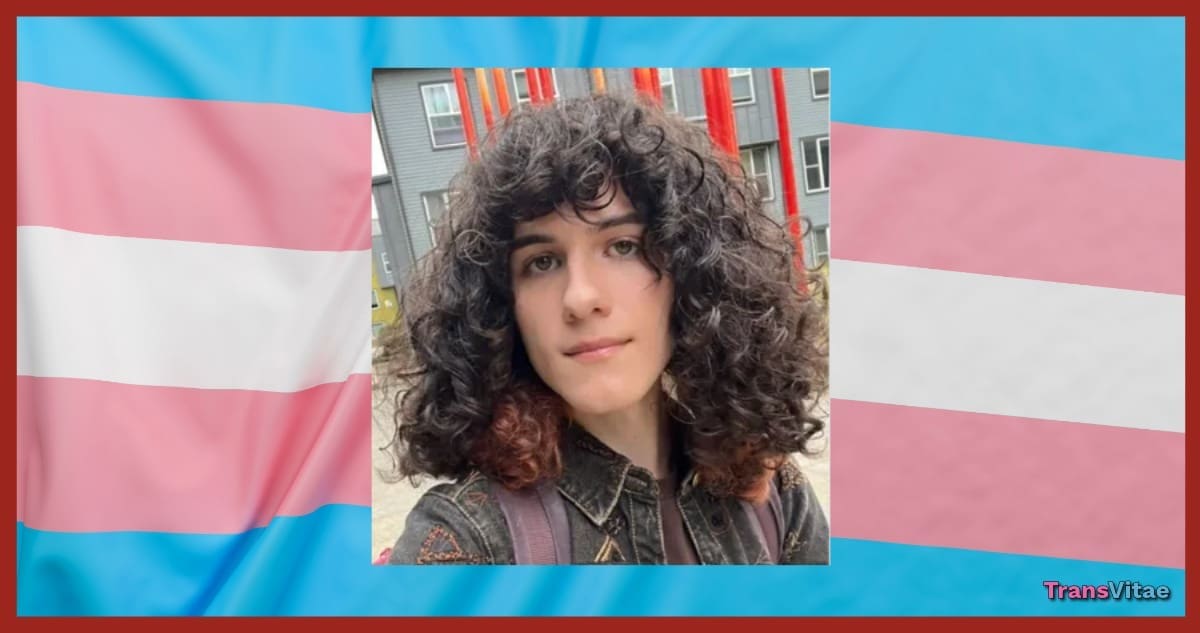
The man accused of murdering 19-year-old transgender University of Washington student Juniper Blessing has been found mentally incompetent to stand trial, delaying criminal proceedings while he undergoes psychiatric treatment.
Christopher Michael Leahy, 31, appeared before a King County Superior Court judge on June 29, where he was ruled unable to assist in his own defense following a court-ordered mental health evaluation. Judge Joe Campagna ordered Leahy transferred to Western State Hospital for up to 90 days of competency restoration treatment. His case is scheduled to return to court in late September for another evaluation to determine whether he is competent to proceed.
Leahy faces a charge of first-degree murder in the May killing of Blessing, who was found fatally stabbed in the laundry room of her off-campus apartment complex near the University of Washington in Seattle. Prosecutors allege the attack was premeditated and that Blessing suffered more than 40 stab wounds.
According to charging documents, investigators believe Leahy had been wandering through campus buildings and neighborhoods before the attack and had allegedly stalked another student before encountering Blessing. Authorities have said there is currently no evidence the killing was motivated by anti-transgender bias, describing it instead as a random act of violence.
Under Washington law, being found incompetent to stand trial does not mean a defendant is acquitted or found not guilty. Instead, the legal process pauses until the defendant is considered capable of understanding the charges and participating in their own defense. If competency is restored through treatment, the criminal case resumes. If it cannot be restored, the court must determine whether additional treatment or civil commitment is appropriate.
Blessing’s death sent shockwaves through both the University of Washington community and the broader transgender community nationwide. Originally from Santa Fe, New Mexico, she had graduated from the New Mexico School for the Arts before enrolling at the university, where she studied atmospheric and climate science. Friends and family remembered her as an exceptionally talented singer, gifted scholar, and compassionate person whose kindness touched everyone around her.
In the weeks following her death, vigils were held in both Seattle and Santa Fe, while community organizations established memorials and scholarship efforts to honor her legacy. Congresswoman Pramila Jayapal also recognized Blessing on the floor of the U.S. House of Representatives, paying tribute to the young woman’s life and contributions.
For many transgender Americans, the latest court ruling represents another difficult chapter in a case that has become emblematic of the violence disproportionately experienced by transgender people. While competency proceedings are a routine part of the criminal justice system when mental illness is involved, advocates emphasize that the delay does not diminish the need for accountability or justice for Juniper Blessing and her family.
As the court awaits the results of Leahy’s treatment, Blessing’s loved ones continue to remember her not for the circumstances of her death but for the extraordinary promise of a life cut tragically short.
