


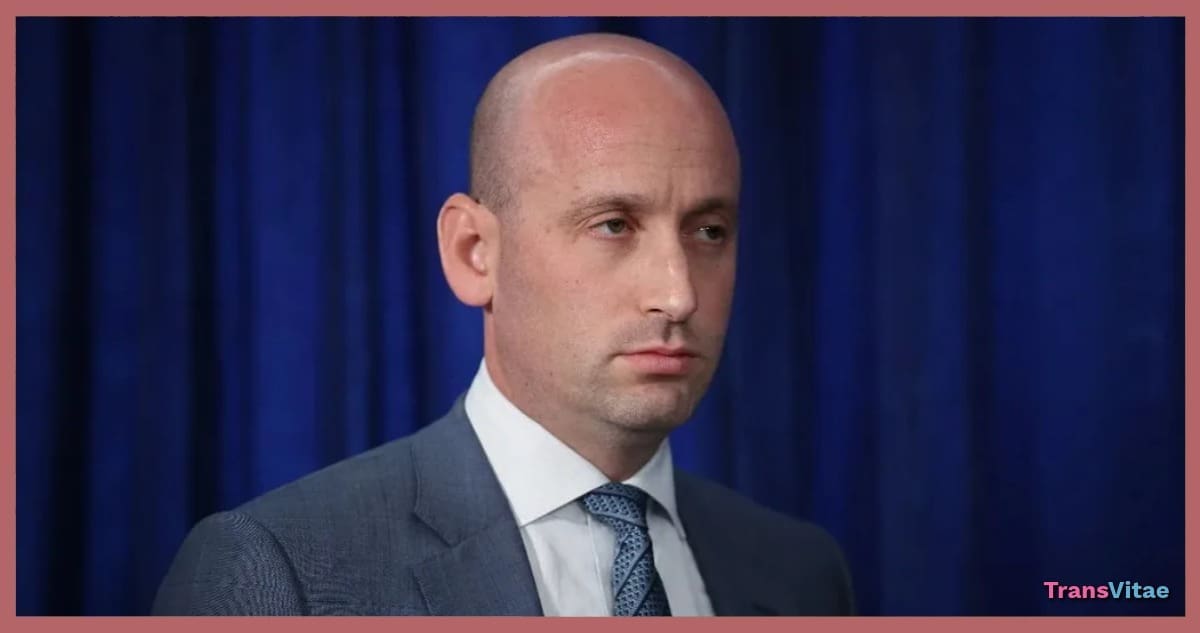
White House Deputy Chief of Staff Stephen Miller sparked backlash this week after falsely referring to Texas Democratic Senate candidate James Talarico as “the Democrats’ first transgender Senate candidate” in a social media post that many critics described as both insulting and revealing.
Talarico, a cisgender man and outspoken LGBTQ+ ally, has increasingly become a target of conservative attacks as his Senate campaign gains national attention in Texas. Miller’s post appeared to frame being transgender as a punchline while also mocking Talarico’s appearance and politics.
The official Democratic National Committee account responded bluntly, posting: “Shut up, you ugly f***.” The response immediately went viral and triggered outrage from Republican commentators and Trump allies, many of whom accused Democrats of lowering political discourse.
But critics of that outrage pointed to what they see as a glaring double standard.
For years, Republicans have largely defended or ignored the inflammatory rhetoric of Donald Trump and top allies like Miller, especially when transgender people are targeted. Trump himself has repeatedly used transgender issues as applause lines during rallies, campaign speeches, and unrelated political appearances.
That broader political environment made Republican complaints about the DNC’s insult appear selective to many observers online. Critics argued that conservatives who spent years excusing personal attacks, mocking nicknames, and profanity from Trump suddenly demanding civility from Democrats reflected a political culture built around one-sided standards.
The exchange also highlighted how “transgender” continues to be weaponized rhetorically by parts of the modern Republican movement. Rather than debating policy differences, conservative figures increasingly use accusations or insinuations about gender identity as a way to ridicule political opponents or frame them as culturally unacceptable.
Talarico has become a frequent target of those attacks due to his public support for LGBTQ+ rights and progressive Christianity. Republicans have previously resurfaced comments he made discussing gender and theology in an effort to portray him as extreme.
The controversy arrives as Democrats continue debating how aggressively they should respond to Republican messaging online after the party’s 2024 losses. Some strategists argue that Democrats have spent too long trying to appear above the fray while Republicans dominated social media narratives through outrage and personal attacks.
Whether the DNC’s response helps or hurts politically remains unclear. What is clear is that the incident once again placed transgender identity at the center of America’s culture war, even though the person being mocked is not transgender at all.
