


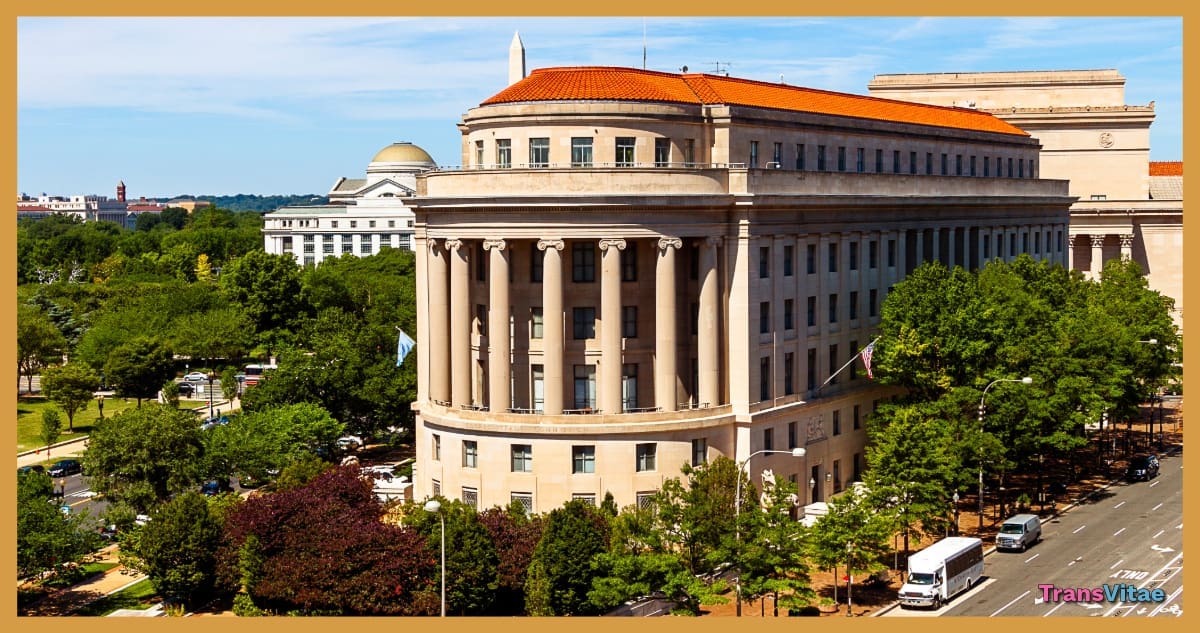
A federal judge has temporarily blocked the U.S. Federal Trade Commission from continuing investigations into major medical organizations that support gender-affirming care for transgender youth, marking another major legal setback for the Trump administration’s efforts targeting transgender healthcare.
U.S. District Judge James Boasberg issued preliminary injunctions preventing the FTC from enforcing broad demands for internal communications, financial records, and other documents from the World Professional Association for Transgender Health and the Endocrine Society. The organizations argued the agency’s investigation was politically motivated retaliation tied to their support for evidence-based transgender healthcare.
The FTC had launched the probe earlier this year, claiming it was investigating whether “false or unsupported claims” had been made regarding gender-affirming care for minors. The agency used Civil Investigative Demands, or CIDs, to request large volumes of records from medical groups involved in transgender healthcare guidance and advocacy.
But Boasberg’s ruling sharply criticized the government’s actions. According to court filings and reporting on the decision, the judge found substantial evidence suggesting the investigations were driven by “viewpoint-based animus” rather than legitimate consumer protection concerns. He also warned the probes could chill constitutionally protected speech and discourage medical organizations from publicly discussing transgender health care.
The lawsuits are part of a growing legal battle over the federal government’s escalating scrutiny of organizations connected to gender-affirming care. Earlier this year, the FTC issued similar demands to other medical associations, including the American Academy of Pediatrics, prompting accusations that the agency was attempting to intimidate healthcare providers and researchers.
Legal experts have increasingly questioned whether federal agencies are being used to pressure institutions associated with transgender healthcare through investigations, subpoenas, and administrative actions rather than direct legislation. Similar court challenges involving the Department of Justice and healthcare providers have also emerged in recent months.
The ruling does not permanently end the FTC investigations, but it prevents the agency from enforcing its demands while the lawsuits move forward. The FTC has not publicly indicated whether it plans to appeal.
For many transgender advocates and medical professionals, the case represents a larger battle over whether scientific and medical organizations can continue publicly supporting gender-affirming care without fear of political retaliation. Critics of the administration argue that even unsuccessful investigations can create a chilling effect by forcing organizations to divert resources toward legal defense and internal compliance.
