


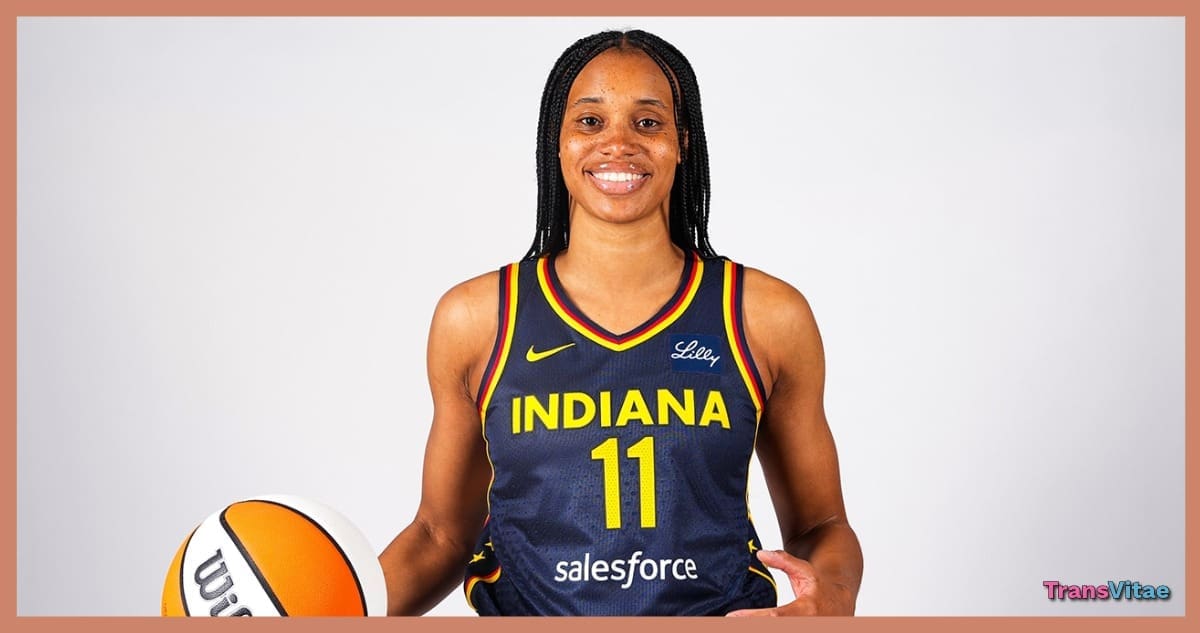
A new opinion piece by Brianna Turner in USA Today is adding to mounting criticism of the International Olympic Committee’s plan to introduce genetic sex testing for women athletes at the 2028 Olympics.
Turner, a 2019 first-round draft pick who has played for the Phoenix Mercury, Chicago Sky, and Indiana Fever, has long been an outspoken advocate for social justice and LGBTQ+ inclusion. In her op-ed, she frames the IOC’s proposed policy as an issue that extends far beyond transgender participation, warning it could impact all women competing in elite sports.
The IOC has said the testing policy is intended to ensure fairness in women’s events. Under the proposal, athletes would be required to undergo genetic screening, including testing for markers such as the SRY gene, to determine eligibility.
Turner challenges that justification, pointing to the history of sex verification in sports, which has previously been abandoned due to flawed science and the harm caused to athletes subjected to invasive scrutiny. She argues that reintroducing similar measures risks repeating those mistakes.
A central concern in Turner’s piece is privacy. Requiring athletes to submit genetic data raises significant ethical questions, particularly given the lack of transparency about how that information would be stored or protected. For many athletes, the potential misuse of sensitive biological data is a serious risk.
Turner also highlights that such policies have historically affected more than just transgender athletes. Women with natural biological variations, including differences in hormones or chromosomes, have often faced challenges to their eligibility, sometimes leading to public scrutiny and exclusion.
Rather than protecting fairness, Turner argues the policy could create a culture of suspicion in women’s sports, where athletes are judged not just on performance but on their bodies. Her op-ed adds to a growing chorus of voices questioning whether genetic testing is an appropriate solution, as debate continues over how to balance inclusion, fairness, and athlete rights ahead of the 2028 Olympics.
