


A newly published analysis argues that the backlash against transgender rights in the United States is not random cultural drift but a coordinated political and media strategy that has intensified over the past several years.
The report, highlighted by The Argument, examines legislative trends, media framing, and advocacy campaigns targeting transgender people. Researchers conclude that the surge in anti-transgender rhetoric and policy proposals follows recognizable patterns tied to broader political mobilization efforts rather than spontaneous public concern.
According to the analysis, the volume of state-level bills aimed at restricting transgender rights has increased sharply since 2020. These proposals include limits on gender-affirming care, participation in sports, bathroom access, and school policies related to gender identity. While not all bills become law, the researchers note that the cumulative effect shapes public discourse and signals political priorities.
The study also points to shifts in media coverage. Headlines increasingly frame transgender issues as cultural flashpoints or debates rather than civil rights concerns. This framing, the report argues, reinforces the perception of controversy even when major medical organizations and civil rights groups maintain consistent support for gender-affirming care and anti-discrimination protections.
Researchers further identify the role of advocacy networks that share model legislation across states. This strategy allows similar bills to appear simultaneously in multiple legislatures, amplifying visibility and giving the impression of widespread grassroots demand. The report suggests this approach has contributed to the speed and scale of policy proposals affecting transgender communities.
Importantly, the analysis does not claim that all public disagreement stems from coordination. Instead, it emphasizes how organized messaging can shape the boundaries of public debate. By repeating specific narratives across media, political speeches, and social platforms, advocates on one side of the issue can normalize restrictive policy goals.
Civil rights organizations cited in coverage of the study say the findings underscore the importance of strategic responses. They argue that understanding how narratives spread can help advocates counter misinformation and better support transgender people affected by shifting laws.
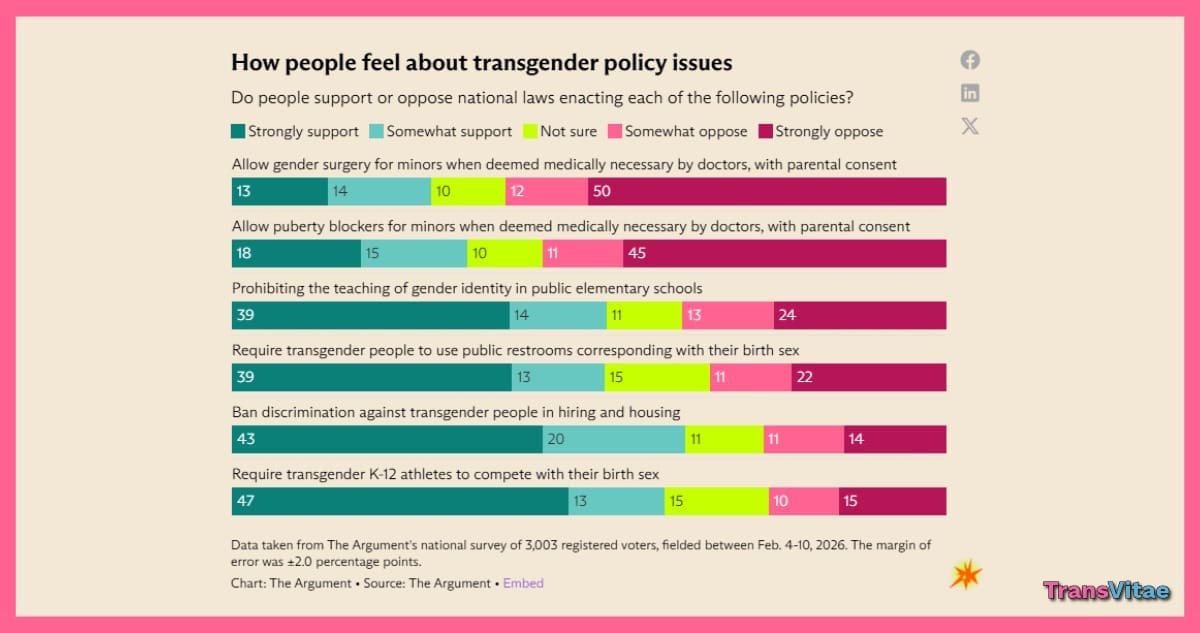
The study arrives at a moment when transgender Americans continue to navigate legal uncertainty in several states. Supporters of transgender rights maintain that despite heightened political attention, broader public opinion on nondiscrimination protections remains relatively stable.
Researchers conclude that recognizing patterns behind the backlash is essential for policymakers, journalists, and voters seeking to evaluate claims about transgender people and public policy.
