


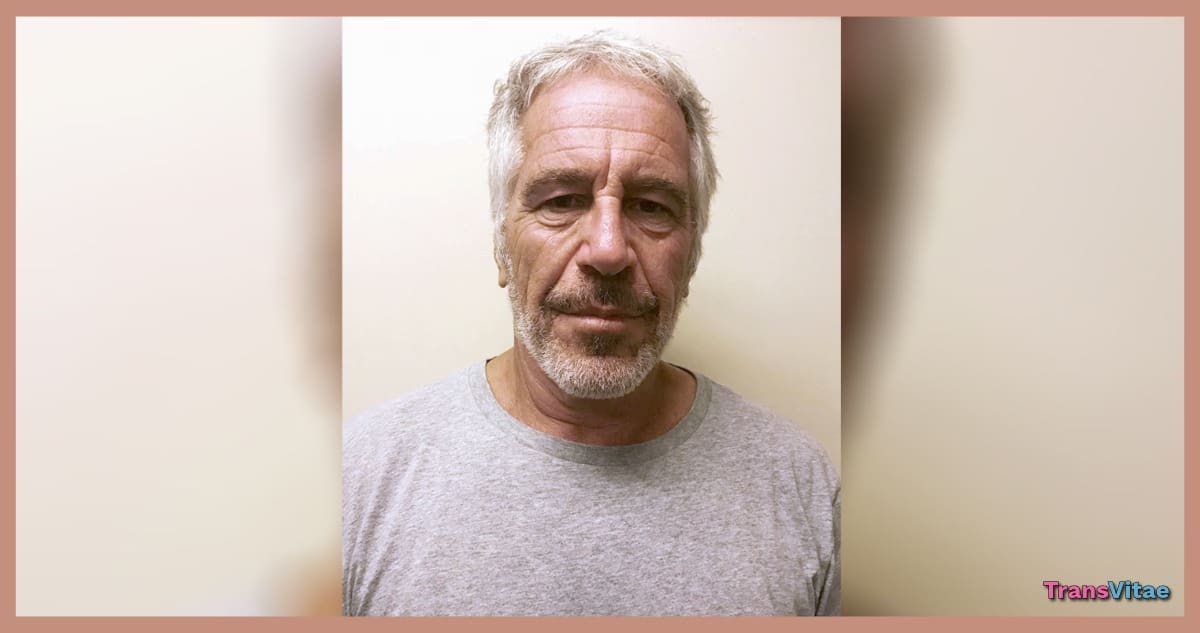
Newly resurfaced reporting on Jeffrey Epstein’s long history of sexual abuse has renewed scrutiny of how early warnings were handled, particularly when they came from marginalized survivors. Court records and retrospective reporting now make clear that one of the earliest people to publicly accuse Epstein was Ava Cordero, a transgender Latina teenager whose allegations were dismissed years before Epstein’s crimes became widely known.
Cordero filed a civil lawsuit in 2007 alleging that Epstein sexually assaulted her when she was a minor after luring her to his Manhattan residence with promises tied to modeling opportunities. Instead of prompting sustained investigation, much of the media coverage at the time fixated on her gender identity, using transphobic language and sensational framing that cast doubt on her credibility rather than examining the substance of her claims.
The lawsuit was ultimately dismissed on statute of limitations grounds, not because the allegations were disproven. Advocates say that distinction was largely lost in public discourse, allowing attention to shift away from Epstein’s alleged conduct and toward questioning the survivor herself. They argue that the failure to take Cordero seriously reflects a broader pattern that can silence marginalized victims and delay accountability for powerful abusers.
Survivor advocates and legal analysts say the treatment of the trans teen reflects a broader pattern that allowed Epstein to continue abusing young people for years while powerful figures insulated him from consequences. Epstein would not face serious criminal accountability until much later, despite multiple complaints and settlements involving other victims.
Recent attention to Epstein’s connections has also drawn renewed interest in correspondence involving Jess Ting, a prominent gender-affirming care surgeon. Separate reporting by The Advocate clarified that Ting was not involved in Epstein’s crimes. The communications in question relate to Epstein’s interest in funding academic or documentary work years after the abuse allegations had surfaced.
Ting has since publicly distanced himself from Epstein, stating that he had no knowledge of Epstein’s criminal behavior at the time and condemning Epstein’s actions unequivocally. Advocates caution against conflating professional contact with complicity, while acknowledging that Epstein’s financial influence often placed people in ethically complicated situations.
What remains unresolved is a more troubling question raised by the newly resurfaced accounts. Could Epstein’s abuse have been curtailed earlier if a transgender survivor had been taken seriously when she first spoke out?
For many in the transgender community, the answer feels painfully familiar. Trans women, particularly trans women of color, routinely face heightened skepticism from law enforcement, courts, and the media when reporting violence. Experts argue that this disbelief not only harms survivors but can also enable serial abusers to continue unchecked.
As journalists, lawmakers, and the public continue to reexamine Epstein’s legacy, advocates say the case should serve as a stark reminder. Ignoring marginalized voices does not just silence victims. It can actively contribute to the continuation of harm.
