


A group of U.S. federal employees has filed formal complaints challenging the Trump administration’s decision to ban gender-affirming care coverage from federal health insurance plans, arguing the policy unlawfully discriminates against transgender workers and their families.
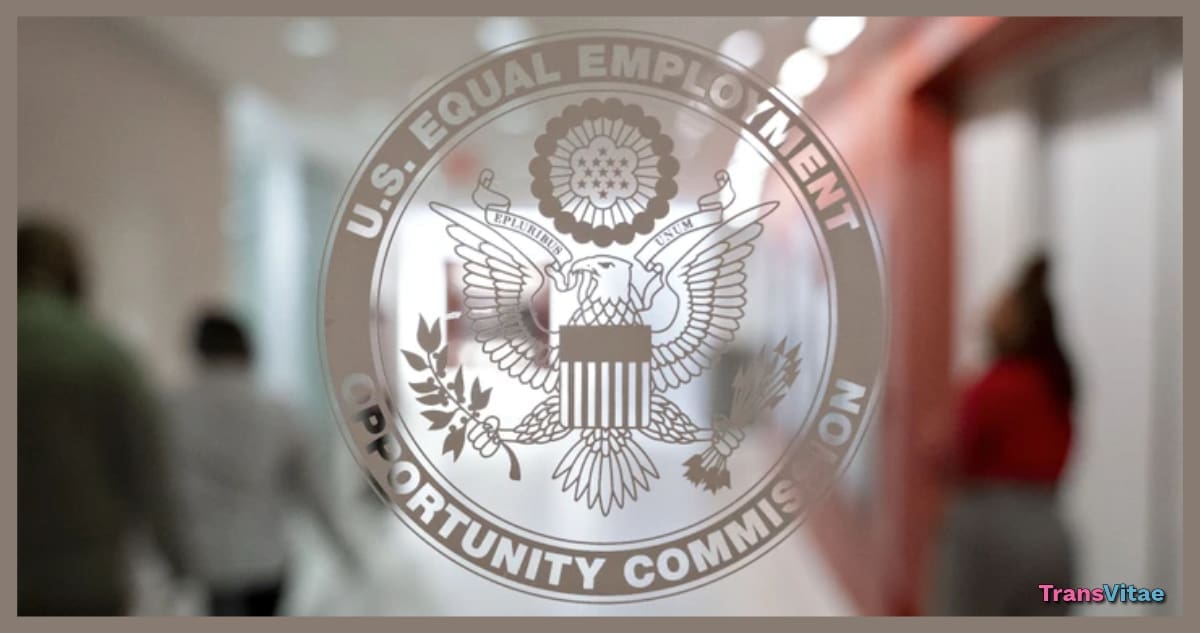
The complaints were submitted to the Equal Employment Opportunity Commission by federal workers represented by the Human Rights Campaign Foundation. They target a directive issued by the U.S. Office of Personnel Management that removes coverage for gender-affirming medical care from plans offered through the Federal Employees Health Benefits Program and the U.S. Postal Service Health Benefits Program.
Under the policy, federal insurance plans are prohibited from covering treatments related to gender transition, including hormone therapy, puberty blockers, and gender-affirming surgeries. The ban is scheduled to take effect beginning in 2026.
Employees filing the complaints argue the policy constitutes sex discrimination under federal civil rights law. They contend the exclusion singles out transgender people for unequal treatment and places undue financial and medical burdens on federal workers who rely on employer-provided health insurance.
According to the filings, affected employees work across multiple federal agencies, including the State Department, Department of Health and Human Services, and the U.S. Postal Service. Some complainants say the policy directly impacts their own medical care, while others say it affects their spouses or children who require gender-affirming treatment as part of ongoing medical care.
One postal worker cited in the complaint said their child’s doctors have recommended puberty blockers and hormone therapy to treat gender dysphoria, care that would no longer be covered under the new policy. Without insurance coverage, the employee said the cost of treatment could become prohibitive.
The Human Rights Campaign Foundation said the ban is part of a broader effort to restrict transgender people’s participation in public life, including employment. In a statement, HRC President Kelley Robinson said the policy effectively pushes transgender employees and families out of the federal workforce by denying them medically necessary care.
The Office of Personnel Management has defended the policy as consistent with the administration’s broader health and regulatory priorities. However, federal officials have provided limited public explanation regarding cost savings or medical justification for the exclusion.
If the EEOC does not resolve the complaints through administrative review, the cases could advance to federal court. Legal experts say the outcome could have significant implications for employment protections and health coverage discrimination claims nationwide.
The complaints come as legal challenges to restrictions on gender-affirming care continue to emerge at both state and federal levels. Advocacy groups argue that bans on coverage conflict with guidance from major medical organizations, which recognize gender-affirming care as evidence-based treatment for many transgender patients.
As the EEOC reviews the complaints, the dispute is expected to draw increased scrutiny from civil rights advocates, labor organizations, and lawmakers, potentially setting the stage for a broader legal battle over transgender health coverage in the federal workforce.
