


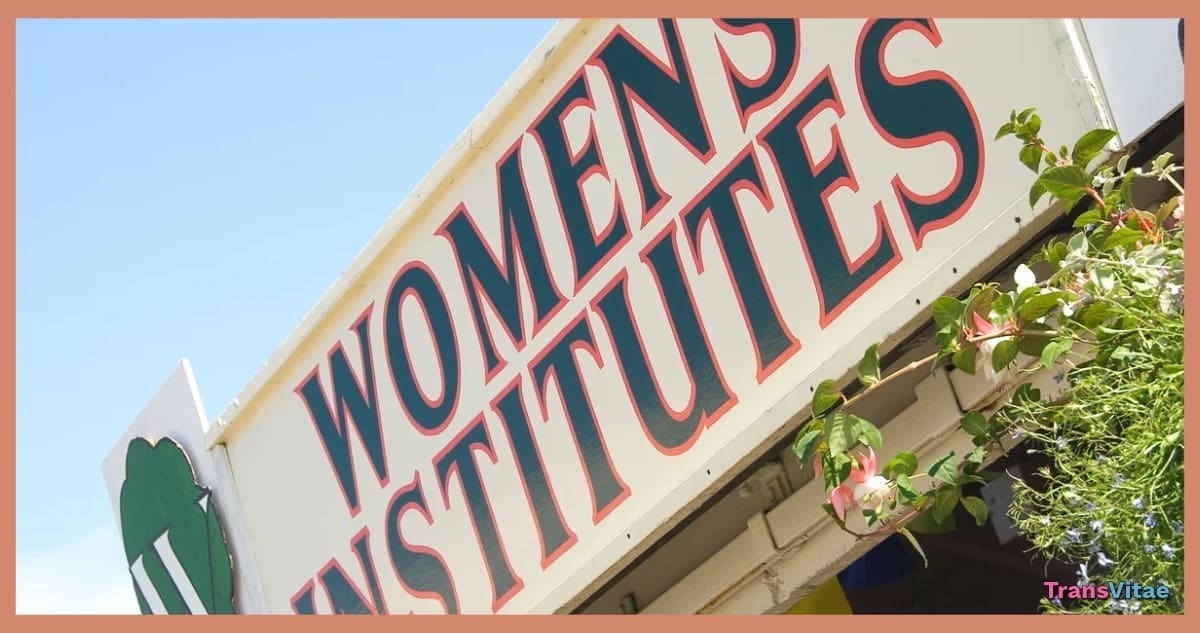
The National Federation of Women’s Institutes has confirmed a major membership policy change that will take effect in April 2026. Starting that month, trans women will no longer be eligible for formal membership in the Women’s Institute, commonly referred to as the WI. The shift follows guidance issued at the organizational level citing the legal interpretation of sex classifications under U.K. equality law.
The WI previously allowed trans women to join under broader gender identity-based inclusion standards that had been in place since 2015. At that time, the organization publicly updated its policy to welcome “anyone living as a woman.” The memo leaked earlier this year confirmed that approach would not continue going forward.
WI leadership framed the change as a compliance decision rather than an ideological one. The WI chief executive, Melissa Green, acknowledged the policy revision was made “with the utmost regret and sadness,” adding that the organization held the position “that trans women are women” even though it could not continue offering formal membership to new trans applicants or renewing existing trans memberships under the new criteria.
In response to backlash from within its own chapters and national advocacy organizations, the WI announced an alternative path for participation. The WI plans to launch new “sisterhood groups” aimed at preserving access to WI community activities for people who do not meet formal membership eligibility, including trans women. These groups will operate outside formal membership status but within WI-adjacent programming, with the WI saying it hopes they will maintain what it called its wider community family.
The decision has triggered widespread critique from inclusion advocates who view the reversal as harmful to a population already at risk of social isolation. Sociologists and mental health experts observing community engagement trends warn that losing access to established women’s groups can increase disconnection, particularly for older trans women who often rely on community organizations as a buffer against marginalization and a source of skill-sharing, civic participation, and social affirmation.
The WI, founded in 1915 and one of the U.K.’s largest community organizations for women, has more than 180,000 members across 6,300 local chapters. Its programs include craft circles, civic campaigns, community lobbying, regional meetups, cooking demonstrations, public speaking events, and hyperlocal issue advocacy.
The British LGBTQ+ organization, including transgender advocacy groups, continue to call for a more durable model that does not restrict community access through criteria tied to birth documentation. Some WI members have defended the new rule, saying the organization should remain a single-sex space defined by biological sex at birth. Others within the organization privately expressed concern that the policy could reduce participation by women who expect inclusion to remain a non-negotiable foundation for community.
The WI has not yet announced plans for an independent third-party review of the membership change. Advocacy organizations say the public conversation around the policy shift is unlikely to quiet soon, especially as groups across the U.K. weigh what women’s community membership means legally, socially, and generationally.
