


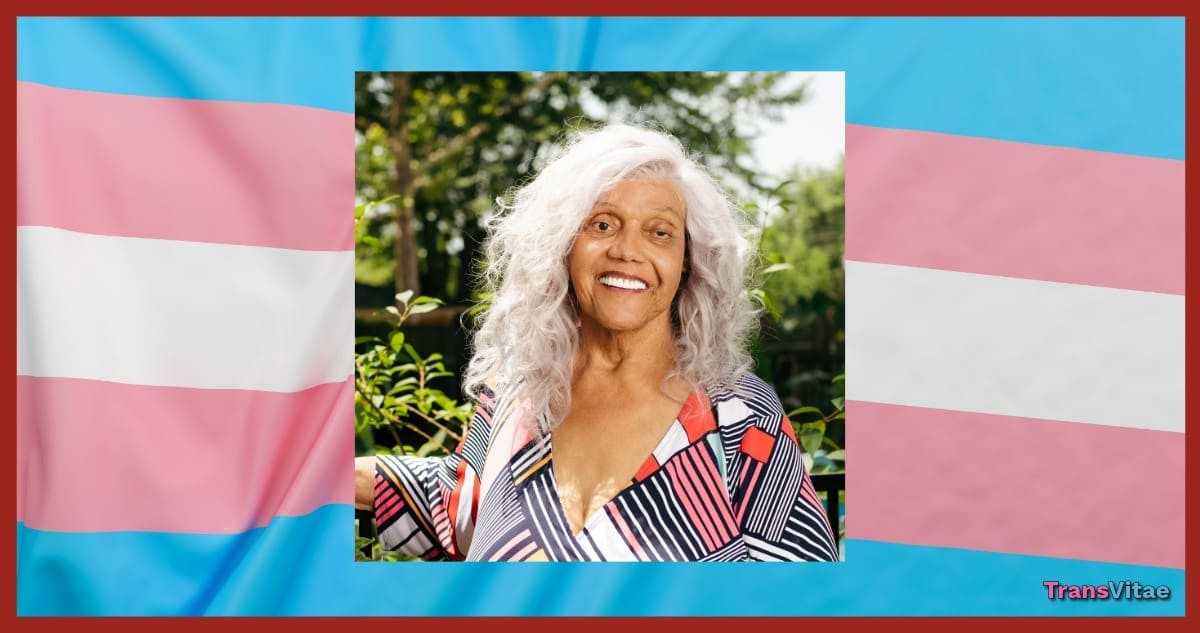
The trans community and the world at large has lost one of its fiercest, gentlest warriors. Miss Major Griffin-Gracy, a storied and beloved elder of trans rights activism, passed away on October 13, 2025, at 78, at home in Little Rock surrounded by loved ones.
Her death marks the end of a life lived at the intersection of struggle, care, resistance, and love. But the ripples of her legacy will echo for generations.
Who Was Miss Major Griffin-Gracy?
Born in Chicago in 1946, Griffin-Gracy (often simply called “Miss Major”) came of age in an era when transgender identities were largely erased or pathologized. She adopted the name “Major,” adding “Griffin” to honor her mother.
Early in life, she faced family rejection, psychiatric interventions, and expulsions from school for expressing her identity. By the early 1960s, she relocated to New York City, where she found community in drag culture and the burgeoning queer underground.
She was present at the Stonewall Uprising of June 27, 1969, an event that became a symbolic flashpoint in LGBTQ+ resistance. Miss Major herself often noted that trans and queer people of color were already organizing long before Stonewall. She refused the narrative that framed Stonewall as a starting line when many had long been in motion.
Over her life, she endured cycles of incarceration, including stints at Sing Sing and Dannemora, where she was confronted with violence, forced dehumanization, and loss of autonomy. In prison, she met leaders of the Attica uprising, including Frank “Big Black” Smith, who encouraged her politicization and education in Black liberation and prison abolition frameworks.
After her release, she continued activism, working across the U.S. in HIV/AIDS outreach, street-based services, and trans health education. In 2004 she joined the Transgender Gender Variant & Intersex Justice Project (TGIJP) and later became its first executive director, centering the needs of incarcerated and marginalized trans people.
In her later years, she founded the House of GG (Griffin-Gracy Educational & Historical Center), a retreat, sanctuary, and organizing hub built in Little Rock, Arkansas, to offer respite, healing, education, and solidarity for trans people, especially in the U.S. South. She rebranded its informal name to Tilifi in 2023 (“Telling It Like It Fuckin’ Is”).
Her memoir, Miss Major Speaks: Conversations with a Black Trans Revolutionary (2023) (affiliate link), laid bare the contours of a life surviving through brutality, resistance, tenderness, and visionary hope.
Her Impact and Legacy
- Centering Trans Women of Color: Miss Major insisted that trans women of color, long sidelined even within queer organizing, be the moral and strategic heart of the movement. “T should have been first,” she famously said. Her work highlighted how transphobia, racism, poverty, and criminalization intersect to cause disproportionate harm to Black trans people.
- Abolitionist and Prison Justice Frameworks: Drawing from her own incarceration, she wove trans liberation with prison abolition, critiquing systems that pathologize and cage trans bodies. Her leadership at TGIJP pushed for decarceral responses, mental health supports, and dignity behind bars.
- Mutual Care and Chosen Family: To many she was “Mama Major.” She was a mentor, confidante, housing connector, counselor, and motherly force. Her House of GG embodied care-based organizing through rest, reconnection, nourishment, art, and strategy.
- Cultural and Movement Influence: Her life inspired future generations. Activists like Janet Mock, Raquel Willis, and others cite her as a foundational elder. The 2015 documentary Major! profiles her life and work. In 2024, she was awarded Yale’s Brudner Prize for her lifetime contributions to LGBTQ+ rights.
The Bottom Line
Miss Major understood that true liberation is not a solo climb. She taught us that resilience alone is not enough; we must root care, connection, accountability, and radical vision into every struggle. Her life showed us how fierce love can become a revolution.
As the trans community mourns today, we must honor her not with reverence alone but with action, by protecting trans lives, uplifting the most marginalized, and ensuring that the spaces she carved for rest and safety remain open to those who come next.
Rest, Mama Major. You’ve done more than most, and you’ve given us a map.
